Understanding Custom Machining Service: Key Concepts and Definitions
In the realm of manufacturing, the rise of custom machining service has revolutionized how industries approach the production of intricate components. With the ability to tailor specifications precisely to client needs, custom machining creates value in sectors ranging from aerospace to consumer electronics. This article delves into its essential facets, offering insights into its operation and relevance in today’s market.
What is Custom Machining Service?
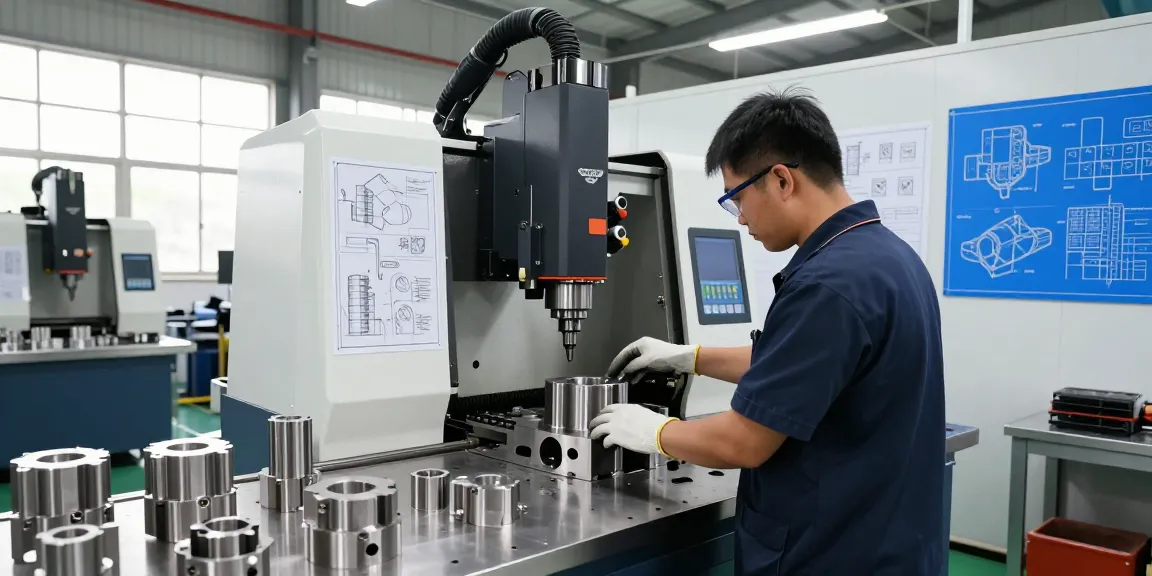
Custom machining service refers to the tailored manufacturing of parts and components using advanced machine tools and techniques. Unlike standard machining that often produces a fixed set of dimensions or shapes, custom machining adapts to specific requirements, allowing for unique designs that meet precise industrial standards. This flexibility is crucial in industries where even minor variations can affect the functionality and performance of parts.
The Importance of Precision in Machining
Precision in machining cannot be overstated. It is essential for ensuring that components fit and function as intended within larger systems. In applications such as aerospace or medical devices, even a minute deviation can have significant consequences. High-precision machining techniques such as CNC milling and 3D printing enable the achievement of tolerances as tight as ±0.001 inches, which is key for maintaining high safety and performance standards.
Common Materials Used in Custom Machining
Several materials are typically utilized in custom machining, each chosen for its properties and suitability for specific applications. Common materials include:
- Aluminum alloys: Known for their lightweight and strength, making them ideal for automotive and aerospace parts.
- Stainless steel: Renowned for its corrosion resistance and durability, widely used in medical applications.
- Plastics: Used for prototyping and lightweight parts, often machined to precise specifications.
- Brass: Commonly utilized for machined components due to its excellent machinability and corrosion resistance.
Challenges in Custom Machining: Overcoming Common Obstacles
While custom machining offers significant advantages, it also presents several challenges that manufacturers must navigate. Understanding these challenges is crucial for maintaining quality and meeting client expectations.
Identifying Common Issues in Machining Processes
Some prevalent issues in custom machining include dimensional discrepancies, surface finish inconsistencies, and material defects. These can arise from various factors such as tool wear, machine calibration errors, or even improper handling of materials. Identifying these issues early in the production process is vital for minimizing waste and ensuring the delivery of high-quality components.
Strategies to Address Quality Control Challenges
Effective quality control measures are essential to overcoming challenges in custom machining. Implementing real-time monitoring systems, conducting regular machine maintenance, and using advanced inspection techniques such as coordinate measuring machines (CMM) can significantly enhance product quality. Furthermore, establishing a robust feedback loop with clients fosters improvement and facilitates effective communication.
Managing Client Expectations in Custom Projects
Custom projects can often lead to misaligned expectations between manufacturers and clients. To mitigate this, clear communication regarding timelines, specifications, and potential challenges is paramount. Regular updates throughout the machining process help maintain transparency and trust, ensuring that clients are informed and satisfied with the progress of their orders.
Best Practices for Effective Custom Machining Service
To maximize the benefits of custom machining, manufacturers should adhere to best practices that enhance productivity and quality. These practices encompass a wide range of techniques and strategies.
Implementing Quality Assurance Techniques
Quality assurance (QA) should be embedded within every stage of the machining process. This includes developing comprehensive QA protocols ranging from initial material inspection to post-production evaluations. The use of statistical process control (SPC) allows manufacturers to monitor production processes and detect anomalies before they escalate into larger issues.
Utilizing Advanced Technologies in Machining
The integration of advanced technologies, such as automation and machine learning, can greatly enhance the efficiency and precision of custom machining services. Technologies such as CAD/CAM software streamline design processes, while automation can reduce human error, increase output consistency, and lower production costs.
Communication Strategies with Clients and Stakeholders
Effective communication is pivotal in fostering strong relationships with clients and stakeholders. Utilizing collaboration tools can facilitate seamless communication, ensuring that everyone involved is on the same page regarding project specifications, timelines, and updates. Regularly scheduled meetings and progress reports can further reinforce collaboration and trust.
Real-World Applications of Custom Machining Service in Various Industries
Custom machining services are pivotal in a variety of sectors, each benefiting from the precision and adaptability that these services entail.
Custom Machining in the Aerospace Sector
The aerospace industry relies heavily on custom machining for the production of intricate components that require stringent tolerances and reliability. From engine parts to structural components, custom machining ensures that every piece meets the strict regulations governing safety and performance.
Machining Solutions for Automotive Applications
In the automotive sector, custom machining is employed to manufacture everything from engine components to body parts. Precision machining enhances performance and fuel efficiency, while custom designs allow manufacturers to innovate and differentiate their products in a competitive market.
Medical Device Manufacturing and Precision Machining
The medical industry is another area where custom machining plays a critical role. Devices such as surgical instruments, diagnostic equipment, and implantable devices demand high precision and quality. Custom machining ensures these devices function flawlessly and meet regulatory requirements, thereby improving patient safety and outcomes.
The Future of Custom Machining Service: Trends and Predictions for 2026
As technologies advance and industries evolve, the landscape of custom machining service is poised for significant changes. Identifying emerging trends will help manufacturers stay competitive and innovatively meet rising demands.
Emerging Technologies Impacting Machining Services
Emerging technologies such as 3D printing and additive manufacturing are rapidly transforming the custom machining sector. These technologies enable manufacturers to create complex geometries and lightweight structures that were previously difficult or impossible to achieve. Additionally, the use of artificial intelligence (AI) in predicting maintenance needs will minimize downtime and enhance operational efficiency.
Sustainability Practices in Custom Machining
With increasing awareness of environmental impact, the implementation of sustainable practices in custom machining is becoming imperative. This includes optimizing material usage to reduce waste, using eco-friendly materials, and adopting energy-efficient machines and processes.
Forecasting Demand Across Industries
Forecasting demand in various industries will require manufacturers to be agile and adaptable. As sectors such as healthcare and automotive continue to innovate, the need for custom machining services will grow, prompting manufacturers to refine their capabilities and expand service offerings.
What is the typical turnaround time for custom machining services?
Turnaround times for custom machining services can vary based on the complexity of the project and existing workloads. On average, manufacturers can provide prototypes within a few weeks, while full production runs may take several weeks to a few months, depending on order size and specifications.
How does custom machining differ from standard machining?
Custom machining is tailored to specific requirements and often involves unique designs and specifications, while standard machining typically produces parts with established designs and sizes. This distinction allows custom machining to accommodate more complex projects and varied materials.
What quality control measures are essential in custom machining?
Essential quality control measures in custom machining include rigorous inspection protocols at various stages, documentation of processes, and adherence to industry standards. The use of advanced measuring tools can also help ensure that parts meet specified tolerances.
Can custom machining services accommodate small batch production?
Yes, custom machining services can accommodate small batch production, making it ideal for businesses that require specialized parts without the need for large inventories. This flexibility allows companies to bring unique designs to market while minimizing costs associated with large-scale manufacturing.
What are the common materials used in custom machining services?
Common materials used in custom machining services include aluminum, stainless steel, plastic, brass, and titanium. The choice of material depends on the specific requirements of the application, including strength, weight, and corrosion resistance.