Understanding Wood Pests and Their Impact
Wood pests, particularly wood-boring insects like woodworms, pose a significant threat to the integrity of wooden structures. These pests feed voraciously on wood, leaving a trail of destruction that can compromise the safety and value of homes, furniture, and other wooden items. Recognizing the importance of effective solutions for pest control, companies like SHASHEL® are at the forefront of innovative methods to combat these threats. Understanding the life cycle of these pests is crucial to developing effective strategies for their elimination.
What are Woodworms and How Do They Infest Wood?
Woodworms are not a single insect but rather a general term for the larvae of various wood-boring beetles, including the common furniture beetle and the house longhorn beetle. They typically infest wood that is damp or decaying, feeding on its cellulose content. The infestation begins when female beetles lay their eggs in cracks or holes in the wood. Once the larvae hatch, they burrow into the wood, creating tunnels as they feed. This behavior not only damages the wood but can also lead to structural failures if left untreated.
The Damaging Effects of Wood-Boring Insects on Structures
The presence of woodworms can lead to extensive damage that undermines the structural integrity of buildings. Wood that is infested can lose significant strength, leading to risks such as collapse or costly repairs. Additionally, the aesthetic value of wooden furniture and flooring can be greatly diminished, leading to financial losses for homeowners and businesses alike. Early detection and effective treatment are crucial to preserving wood integrity and preventing further losses.
Common Myths About Wood Pest Control and Their Consequences
Many misconceptions surround wood pest control, which can lead to ineffective treatments and ongoing infestations. One common myth is that all wood pests can be eliminated using traditional pesticides. However, these chemicals often fail to penetrate deeply enough into the wood to reach hidden larvae. Another myth is that wood treatments should be applied only when infestations are visible; in reality, proactive treatment can save considerable time and money. Debunking these myths is essential for anyone looking to safeguard their wooden assets.
The Advantages of Using SHASHEL® Technology
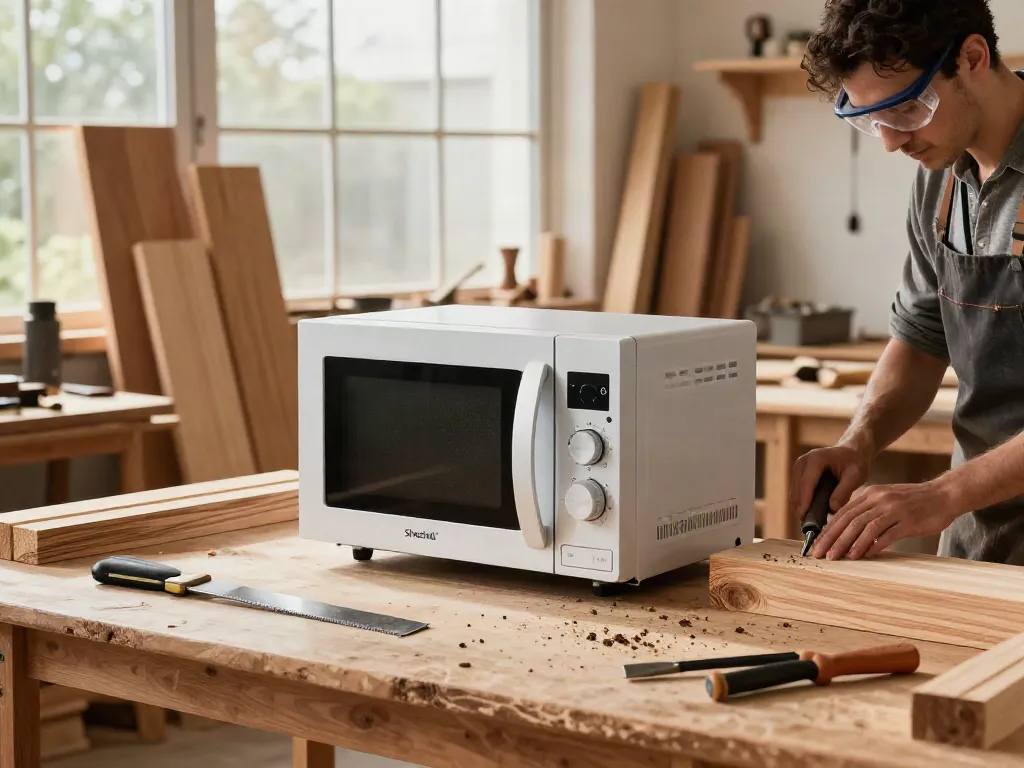
SHASHEL® offers a revolutionary approach to wood pest elimination through its microwave technology. This method is not only highly effective in eradicating wood-boring insects but also adheres to environmentally friendly practices. The technology is designed to penetrate deeply into the wood, reaching pests in their hiding spots without the use of harsh chemicals.
Revolutionary Features of SHASHEL® Microwave Equipment
One of the standout features of SHASHEL® is its ability to deliver controlled microwave energy to wooden materials. This technology heats the wood internally, creating an inhospitable environment for wood pests while preserving the structural integrity of the wood itself. Furthermore, the microwave treatment can be completed within minutes, significantly reducing the time and labor associated with traditional pest control methods.
How SHASHEL® Ensures Safe, Chemical-Free Treatment
In a time when environmental concerns are paramount, the SHASHEL® system provides a safe alternative to conventional chemical treatments. By utilizing microwave technology, it eliminates the need for toxic chemicals that can harm the environment and pose risks to human health. This makes SHASHEL® particularly appealing for homeowners and businesses who prioritize eco-friendly practices.
Case Studies: Success Stories with SHASHEL® in Wood Pest Elimination
Numerous case studies have demonstrated the efficacy of SHASHEL® technology. For instance, a restoration project of an antique wooden structure showed that the microwave treatment effectively eliminated a severe woodworm infestation, preserving the integrity and appearance of the wood. Another example involved a large furniture manufacturer that adopted SHASHEL® units, resulting in a significant decrease in pest-related damages and associated costs.
Implementing SHASHEL® in Your Woodworking Projects
Integrating SHASHEL® technology into woodworking practices can greatly enhance pest control measures. Understanding how to effectively use this equipment is essential for carpenters and woodworkers alike.
Step-by-Step Guide to Using SHASHEL® Effectively
To utilize SHASHEL® technology effectively, follow these simple steps:
- Inspect the wood for signs of infestation.
- Place the wood in the SHASHEL® microwave unit.
- Set the appropriate time and power levels based on wood type.
- Activate the machine and monitor the process.
- After treatment, inspect the wood again to ensure effectiveness.
Integrating SHASHEL® into Standard Carpentry Practices
Incorporating SHASHEL® into standard woodworking practices is straightforward. Woodworkers can treat their materials onsite, preventing infestations before they take root. This proactive approach not only preserves the quality of the wood but also enhances the longevity of finished products.
Tools and Techniques to Enhance SHASHEL® Performance
Combining SHASHEL® technology with other pest management techniques can yield even better results. For example, maintaining optimal humidity levels can reduce the likelihood of infestations. Additionally, regular inspections and treatments can help catch potential issues early, ensuring a pest-free environment.
Measuring Success: Evaluating SHASHEL® Efficiency
Evaluating the effectiveness of SHASHEL® treatments is vital for continuous improvement and assurance of quality. By using specific performance indicators, users can assess how well the system addresses wood pest issues.
Key Performance Indicators for Wood Pest Control
Key performance indicators (KPIs) can help users measure the success of their pest control efforts, including:
- Reduction in visible pest activity.
- Structural integrity assessments post-treatment.
- Cost savings from reduced pest-related damages.
- Customer satisfaction levels with treated wood products.
How to Assess the Effectiveness of SHASHEL® Treatment?
Post-treatment assessments are crucial to determining the success of SHASHEL® interventions. This can include visual inspections, structural evaluations, and even customer feedback regarding the quality of wood products after treatment. Regular follow-ups help maintain pest control quality and are essential for ongoing pest management strategies.
Feedback Loops: Learning from Outcomes and Adjusting Techniques
Establishing feedback loops is an important part of improving pest control strategies. By analyzing the outcomes of SHASHEL® treatments, users can identify what works and refine their techniques accordingly. This learning process is crucial for enhancing future treatments and ensuring the long-term effectiveness of pest management efforts.
Future Trends in Pest Control Technology for Woodworking
The pest control landscape is rapidly evolving, with new technologies emerging that complement solutions like SHASHEL®.
Emerging Technologies Complementing SHASHEL® in 2026
As we look toward 2026, several technologies are anticipated to emerge, complementing SHASHEL® capabilities. Developments in robotics for automated pest detection and treatment, along with AI-driven analytics for pest management, promise to revolutionize the field, allowing for even more targeted and efficient responses to infestations.
Predictions for the Next Generation of Wood Pest Treatment Solutions
The next generation of wood pest treatment solutions is likely to focus on precision and personalization. This could involve tailored treatments based on specific pest profiles and wood types, enhancing effectiveness while minimizing environmental impact.
Environmental Trends Shaping Future Wood Treatment Practices
Growing awareness of environmental issues is shaping pest control practices. Expect to see an increase in eco-friendly approaches, such as biopesticides and integrated pest management, that work harmoniously with technologies like SHASHEL®.
What are the Long-Term Benefits of Using SHASHEL®?
Utilizing SHASHEL® technology offers a host of long-term benefits, including improved wood longevity, reduced dependency on harmful chemicals, and enhanced product quality. These advantages contribute to a healthier environment and a more sustainable woodworking industry.
How Will SHASHEL® Adapt to Changing Industry Needs?
As industry needs evolve, SHASHEL® is well-positioned to adapt with ongoing research and innovation. By staying attuned to customer feedback and emerging trends, the company can continue to develop its technology to meet the demands of an increasingly eco-conscious market.