
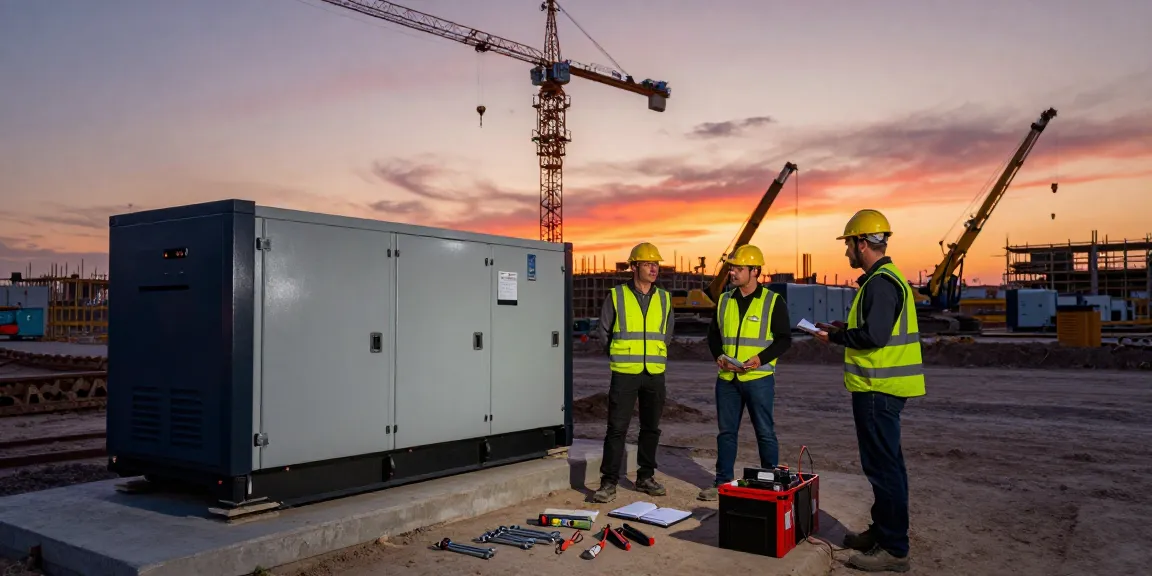
Understanding Industrial Generator Solutions
In today’s interconnected and industrialized world, power generation plays a critical role in ensuring the smooth operation of businesses across various sectors. Industrial generator solutions encompass a wide range of products specifically designed to deliver reliable energy, particularly in applications where continuity and resilience are paramount. As industries evolve, so too do the technologies that support them, making it essential to understand the underlying principles of industrial generators and their multitude of applications.
What are Industrial Generator Solutions?
Industrial generator solutions refer to specially designed power generation systems that can fulfill the energy demands of large-scale operations. These generators vary in size, capacity, and fuel type, and may include diesel, natural gas, and renewable energy systems such as solar and wind. The primary goal of these solutions is to provide backup power during outages or to serve as the main power source in remote locations.
Importance in Modern Infrastructure
The reliance on consistent and uninterrupted power supply is ever-growing. Industrial generators serve as lifelines for critical infrastructure, including hospitals, data centers, and manufacturing facilities. As businesses continue to digitize operations and adopt smart technologies, the need for robust industrial generator solutions becomes indispensable. Their ability to deliver energy efficiently can protect against costly downtime and loss of productivity.
Key Components of Generator Systems
Understanding the anatomy of an industrial generator is key to grasping how these solutions function effectively. Major components include:
- Engine: The heart of the generator, responsible for converting fuel into mechanical energy.
- Alternator: Converts mechanical energy produced by the engine into electrical energy.
- Fuel System: Supplies the fuel required for combustion, which powers the generator.
- Cooling System: Regulates the temperature of the generator to prevent overheating.
- Control Panel: Monitors and controls the performance of the generator, including output voltage and frequency.
Customization for Diverse Applications
One size does not fit all when it comes to power generation. Customization plays a vital role in ensuring industrial generator solutions meet specific operational needs and environmental conditions.
Tailoring Solutions to Environmental Conditions
Environmental factors, such as temperature, air quality, and humidity, significantly influence the performance and durability of generator sets. By tailoring the generator solutions to suit local conditions, businesses can enhance reliability and extend the lifespan of their equipment. For instance, in high-humidity areas, specific corrosion-resistant materials may be utilized to protect vital components.
High-Utilization Scenarios Explained
In scenarios where generators are used frequently or continuously, optimization becomes crucial. This involves assessing fluid characteristics and recommending the best systems based on the operational temperature and humidity levels. For high-utilization industrial applications, advanced monitoring systems can also be integrated to ensure optimal performance and pre-emptive maintenance.
Case Studies in Effective Customization
Several businesses have benefitted from tailored industrial generator solutions. For example, a major hospital network in a tropical climate integrated customized generators equipped with specialized cooling systems to enhance efficiency and minimize fuel consumption. Similarly, a mining company operating in remote areas utilized robust generators specifically designed to withstand extreme weather conditions, thereby avoiding operational disruptions.
Ordering Process for Industrial Generators
The journey toward acquiring an industrial generator involves several distinct stages, each essential for ensuring the right solution is chosen for specific needs.
Step-by-Step Guide to Ordering
Ordering an industrial generator is a straightforward process when guided by an experienced provider. The steps typically include:
- Needs Assessment: Understanding the power requirements and operational conditions.
- Selection of Generator: Based on the assessment, choose an appropriate generator model.
- Customization: Discuss specific customizations needed for optimal performance.
- Order Placement: Confirm the order with clear expectations regarding delivery and setup.
- Installation: Professional installation to ensure adherence to safety and operational standards.
What to Expect During Setup
The setup process involves several critical components that ensure the generator is operating efficiently. Expect thorough testing and calibration to ascertain that all elements are functioning correctly. This includes load testing and adjustments to the control panel settings for optimal performance.
Customer Support Throughout the Process
Reliable customer support is paramount. From initial inquiries to post-purchase service, having dedicated support personnel can greatly enhance the customer experience. A professional provider will also offer training sessions on how to operate and maintain the generator effectively.
Impact of Industrial Generator Solutions on Sustainability
As businesses become increasingly aware of their environmental responsibilities, integrating sustainability into power generation solutions is critical.
Renewable Energy Integration
The shift towards renewable energy is reshaping the landscape of industrial generator solutions. Many companies are now investing in hybrid systems that combine traditional fossil fuel generators with renewable energy sources, such as solar panels or wind turbines. This integration not only reduces carbon emissions but also enhances energy security.
Reducing Environmental Footprint
Modern industrial generators are designed to be more fuel-efficient and produce fewer emissions than their predecessors. This evolution is not only a response to regulatory pressures but also a commitment from manufacturers to create greener solutions. Businesses can significantly reduce their environmental footprint by choosing generators that meet stringent emission standards.
Industry Innovations Towards Greener Solutions
Innovations such as advanced telemetry systems, which monitor real-time generator performance, and smart load management solutions are paving the way toward more sustainable industrial operations. These technologies enable businesses to optimize energy usage effectively and reduce waste.
Future Trends in Industrial Generator Solutions
As we look toward 2026, several trends are likely to emerge within the industrial generator space, driven by technological advancements and changing market demands.
Emerging Technologies in Power Generation
Technologies like blockchain for energy trading and improved battery storage solutions are on the horizon. These advancements will contribute significantly to making industrial generator solutions more resilient and efficient.
Predictions for 2026 and Beyond
By 2026, we can expect to see a greater emphasis on fully integrated energy systems that blend generation, storage, and management into seamless units. This will include more widespread adoption of AI-driven systems that predict energy demand and manage load distribution intelligently.
Expert Insights on Industry Evolution
Industry experts emphasize that the future of power generation will heavily rely on adaptability and sustainability. As regulations change and businesses adapt to a more eco-conscious world, industrial generators will need to evolve to meet stringent guidelines and consumer expectations.
What Benefits Can Users Expect?
Users of advanced industrial generator solutions can expect enhanced performance, reduced operational costs, and improved sustainability metrics. By investing in modern generator systems, businesses position themselves to thrive in a competitive landscape while adhering to evolving environmental legislations.


