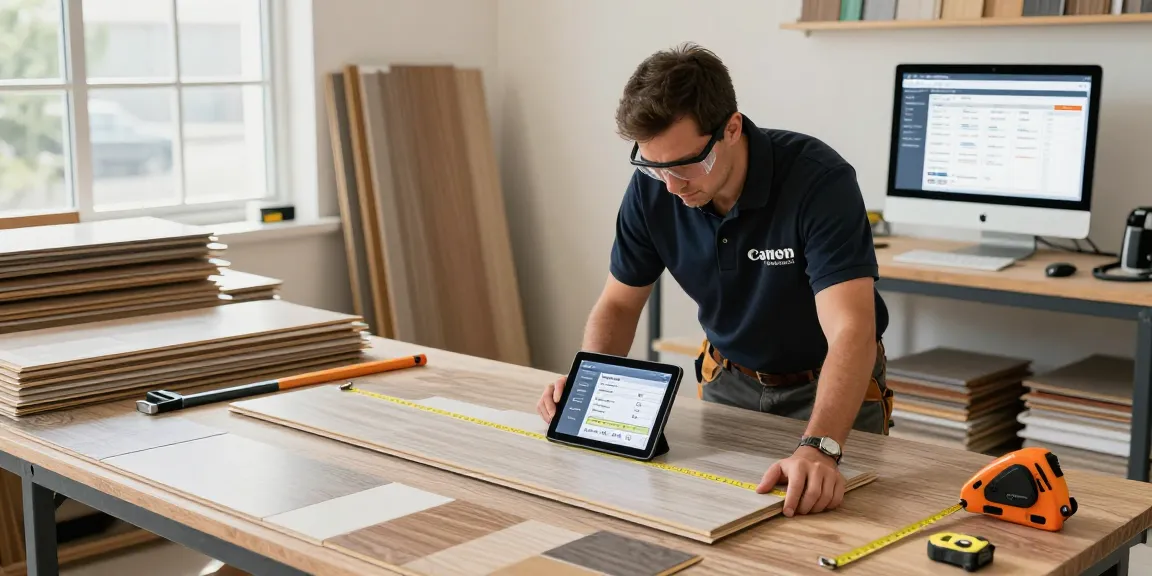
Understanding Flooring Business Software
In the dynamic landscape of the flooring industry, the right business software can be a game-changer. Flooring business software encompasses a variety of tools designed to help companies streamline operations, manage projects, and enhance customer experiences. When exploring options, flooring business software solutions offer comprehensive insights that can drive efficiency and profitability. By providing functionalities tailored to the specific needs of flooring professionals, this software not only simplifies processes but also enables businesses to adapt quickly to changing market demands.
What Is Flooring Business Software?
Flooring business software refers to a suite of digital tools designed specifically for flooring contractors, retailers, and installers. These applications can manage various aspects of the business, from inventory and invoicing to customer relationship management (CRM) and project management. Unlike generic software solutions, flooring business software is tailored to address the unique challenges and requirements of the flooring industry, such as tracking materials, managing labor costs, and maintaining compliance with industry regulations.
Key Features and Functions to Look For
When selecting flooring business software, it’s essential to identify features that will enhance your operations. Here are key functionalities to consider:
- Inventory Management: Keep track of flooring materials, supplies, and stock levels.
- Project Management: Streamline project timelines, resources, and labor allocation.
- Invoicing and Payments: Automate billing processes and integrate payment options for customer convenience.
- CRM Capabilities: Build customer relationships and maintain detailed records of interactions.
- Reporting and Analytics: Generate reports to monitor performance metrics and inform business decisions.
- Mobile Accessibility: Ensure that field teams can access vital information wherever they are.
Benefits of Implementing Software in Flooring Businesses
Implementing specialized flooring business software can yield significant advantages:
- Increased Efficiency: Automated processes reduce manual work and minimize errors.
- Improved Communication: Enhanced collaboration tools facilitate better information sharing among teams.
- Cost Savings: Streamlined operations can lower overhead and improve profit margins.
- Better Customer Service: Quick access to customer data allows for personalized service and quicker response times.
- Scalability: As your business grows, the software can adapt to meet changing needs without major overhauls.
Common Mistakes in Choosing Flooring Business Software
While selecting flooring business software can be daunting, avoiding common pitfalls can enhance your chances of success.
Not Evaluating Needs Before Selection
One of the most significant mistakes businesses make is failing to assess their specific needs before selecting software. Each flooring business has unique challenges and operational requirements. Conducting a needs assessment ensures that the software chosen will effectively solve your particular problems.
Ignoring Integration Capabilities
Choosing software that does not integrate with existing systems can lead to significant disruptions. It's crucial to select a solution that can work seamlessly with other tools like accounting software, e-commerce platforms, and CRM systems to ensure a smooth transition and ongoing operation.
Underestimating Training and Support Needs
Implementing new software without proper training can lead to underutilization. Businesses should prioritize ongoing training and support to ensure that employees can effectively navigate and leverage the software’s capabilities.
Best Practices for Implementing Flooring Business Software
Successfully implementing flooring software involves careful planning and execution. Here are some best practices to follow:
Establishing Clear Objectives and Goals
Before rolling out new software, it’s vital to define clear objectives. What specific problems are you trying to solve? What are the measurable outcomes you hope to achieve? Setting tangible goals helps you gauge the software’s effectiveness post-implementation.
Involving Your Team in the Decision-Making Process
Engaging employees in the selection and implementation process fosters a sense of ownership and ensures that the software meets the needs of the entire team. Gathering input from various stakeholders can lead to better adoption and utilize the software’s full potential.
Regularly Updating and Upgrading Your Software
Technology is ever-evolving, and so are software capabilities. Regularly updating your flooring business software ensures that you benefit from the latest features and security enhancements. Establish a review schedule to evaluate your software’s performance and identify areas for improvement.
Real-World Examples and Case Studies
Understanding how other businesses have successfully implemented flooring business software can provide valuable insights.
Success Stories of Flooring Businesses Using Software
Consider the case of a mid-sized flooring retailer that implemented a new software solution. By automating inventory tracking and invoicing, the retailer reduced operational costs by 30% over six months. This change not only improved efficiency but also led to enhanced customer satisfaction due to faster order fulfillment.
Lessons Learned from Failed Implementations
In contrast, a flooring contractor that rushed the selection process ended up with software that did not meet its operational needs. The absence of proper training further exacerbated issues, leading to a 20% decrease in productivity until they ultimately switched to a better-suited solution. This case highlights the importance of thorough evaluation and strategic planning.
How Technology Enhances Customer Satisfaction
Many flooring businesses are now leveraging technology to improve customer service. Implementing customer portals where clients can track orders, view invoices, and even schedule installations enhances transparency and builds trust. This technology-driven approach leads to greater customer loyalty and repeat business.
Future Trends in Flooring Business Software
The flooring industry is set to evolve, and staying ahead of trends will be crucial for success.
Emerging Technologies to Watch By 2026
As we look toward 2026, several emerging technologies are poised to revolutionize flooring businesses:
- Augmented Reality (AR): AR tools will allow customers to visualize flooring options in their spaces, enhancing the buying experience.
- Blockchain: This technology can provide secure tracking of supply chains, ensuring authenticity and quality.
- Internet of Things (IoT): IoT devices can monitor inventory levels in real-time, giving businesses greater control over stock management.
Shifts in User Requirements and Expectations
As customer demographics shift, flooring businesses must adapt to new expectations for service and technology. Younger consumers highly value convenience, user-friendly interfaces, and online accessibility. Businesses will need to prioritize these features in their software selections.
The Role of AI in Flooring Software Solutions
Artificial Intelligence (AI) is becoming increasingly relevant in flooring business software. From predictive analytics that help forecast sales trends to chatbots for customer service, AI can significantly enhance operational efficiency and customer engagement.
What are the top flooring business software solutions?
The market offers various flooring business software solutions, such as Jobber, FloorForce, and QuickBooks, each designed to meet different operational needs. Researching and comparing these options can help businesses select the most suitable software for their requirements.
How can flooring business software improve customer service?
By providing tools for effective communication, streamlined processes, and improved order tracking, flooring business software can enhance the customer experience. Customers appreciate timely responses and accurate information, factors significantly bolstered by robust software systems.
What are the costs associated with flooring business software?
Costs can vary widely based on features, number of users, and software provider. Businesses should consider both upfront costs and ongoing subscription fees when evaluating different solutions to ensure long-term financial viability.
Is cloud-based software better for flooring businesses?
Cloud-based software offers several advantages, including accessibility from any device and automatic updates. This flexibility makes it an attractive option for flooring businesses aiming to enhance operational efficiency and collaboration.
What should be included in a software training program for employees?
A comprehensive training program should cover not only the technical functionalities of the software but also best practices for integration into daily operations. Hands-on training sessions, user manuals, and ongoing support resources will empower employees to use the software effectively.