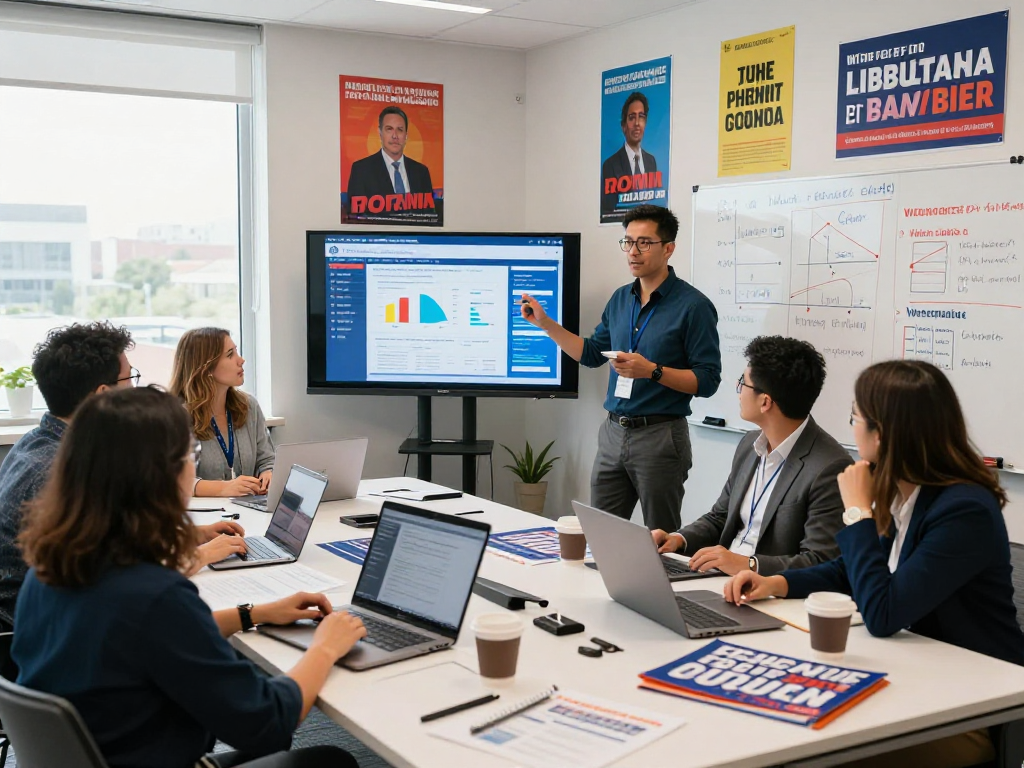
Understanding Corporate Event Planning Las Vegas
In the vibrant landscape of Las Vegas, corporate event planning transcends mere organization; it’s about creating memorable experiences that resonate with attendees. The city’s unique blend of entertainment and business facilities makes it a hotspot for companies looking to host impactful gatherings. Whether you are planning a straightforward business meeting or an extravagant gala, consulting with a professional offers invaluable insights. When exploring options, Corporate Event Planning Las Vegas services can streamline your event planning process by bringing expertise and access to resources that benefit every aspect of your gathering.
The Role of Corporate Event Planners
Corporate event planners serve as the backbone of any successful event, meticulously crafting every detail from inception to execution. They are responsible for coordinating logistics, managing budgets, and ensuring that every component aligns with the client’s vision. Key responsibilities include:
- Conducting thorough consultations to understand client objectives
- Coordinating with vendors and suppliers
- Managing timelines and schedules
- Overseeing on-site operations during the event
By working with a corporate event planner, companies can delegate the complexities of event organization, allowing them to focus on core business objectives while creating a professional yet enjoyable atmosphere for attendees.
Key Elements of Successful Events
To guarantee the success of corporate events, several critical elements must be integrated:
- Clear Objectives: Defining what the event aims to achieve, be it networking, education, or celebration.
- Audience Engagement: Ensuring that activities and presentations captivate attendees, maintaining their interest throughout the event.
- Effective Communication: Keeping all stakeholders informed and involved through regular updates and clear messaging.
By paying attention to these details, event planners can create effective events that resonate with their audience and fulfill their business goals.
Corporate Event Planning Best Practices
In the realm of corporate event planning, best practices pave the way for seamless executions. Some of the most effective approaches include:
- Budget Management: Carefully managing budgets to avoid overspending, including utilizing cost-effective strategies without compromising quality.
- Vendor Relationships: Establishing strong partnerships with local vendors to ensure high-quality services at competitive rates.
- Feedback Mechanisms: Implementing strategies to gather feedback post-event for continuous improvement.
By adhering to these best practices, businesses can enhance their event planning processes, ultimately leading to increased satisfaction among attendees.
Choosing the Right Venue for Corporate Functions
Factors Influencing Venue Selection
Selecting the ideal venue for corporate functions in Las Vegas involves considering several critical factors:
- Location: Ease of access for attendees, particularly if they are traveling from out of town.
- Capacity: Ensuring the venue can comfortably accommodate the expected number of guests.
- Amenities: Availability of necessary facilities such as audio-visual equipment, Wi-Fi, and breakout rooms.
Choosing a venue tailored to the event's requirements significantly impacts the overall success and experience of the occasion.
Top Corporate Event Venues in Las Vegas
Las Vegas boasts numerous venues suited for corporate functions, ranging from hotels to dedicated event spaces. Some of the top spots include:
- The Venetian: Offers elegant meeting spaces and luxury accommodations.
- Las Vegas Convention Center: Ideal for large conferences with its expansive facilities.
- Palazzo Las Vegas: Known for its exquisite design and comprehensive event services.
Choosing the right venue can enhance the event's atmosphere and facilitate networking and engagement among attendees.
Venue Logistics and Layout Considerations
Once the venue is chosen, it’s essential to plan the logistics and layout effectively. Considerations should include:
- Seating Arrangements: Depending on the event type, arrangements like theatre style, round tables, or cocktail settings can influence interaction.
- Accessibility: Ensuring the venue is accessible for all guests, including those with disabilities.
- Signage: Clear, visible signage can help guide attendees, especially in large venues.
Effective layout planning contributes to a smooth flow of the event and enhances participant experience.
Incorporating Entertainment in Events
Understanding Client Preferences
Knowing the audience plays a vital role in selecting entertainment that resonates. Factors to consider include:
- Demographics of attendees
- Cultural sensitivities
- Type of event (formal or informal)
By understanding these preferences, planners can curate entertainment that not only entertains but also aligns with business objectives.
Types of Entertainment for Corporate Events
Entertainment can take many forms, including:
- Live Performances: Musicians, bands, or DJs can add vibrancy to corporate events.
- Interactive Experiences: Activities like photo booths, virtual reality stations, or team-building games.
- Guest Speakers: Bringing in industry experts to provide valuable insights or motivation can enhance the event’s credibility.
Choosing the right type of entertainment can significantly elevate the event experience.
Budgeting for Entertainment Options
Budgeting for entertainment is crucial to control costs while still delivering impact. Considerations include:
- Recurring costs for hiring performers or speakers
- Logistics costs such as equipment rental
- Potential sponsorships or partnerships to offset costs
Proper budgeting ensures that entertainment enhances the event experience without overspending.
Effective Marketing Strategies for Events
Utilizing Social Media for Promotion
In today’s digital age, social media has become an indispensable tool for promoting corporate events. Key strategies include:
- Targeted Advertising: Using platforms like Facebook and LinkedIn to reach specific audiences.
- Hashtag Campaigns: Creating event-specific hashtags to enhance engagement and track conversations.
- Live Updates: Sharing real-time updates and content during the event to engage both attendees and those who couldn’t attend.
Employing these strategies can enhance visibility and attendance, ensuring the event reaches its full potential.
Email Campaigns and Invites
Email remains a powerful method for reaching potential attendees. Effective campaigns should:
- Feature compelling subject lines that capture attention
- Include clear calls to action to register or learn more
- Be mobile-optimized to accommodate users on various devices
By focusing on these elements, companies can create effective email campaigns that drive interest and participation.
Engaging with Local Media Outlets
Partnering with local media can enhance the event’s profile and reach. Steps to engage might include:
- Issuing press releases to announce events
- Inviting local journalists to attend and cover the event
- Offering exclusive interviews with keynote speakers or executives
Strategic media engagement can broaden the event’s exposure and establish credibility in the community.
Measuring the Success of Corporate Events
Key Performance Indicators (KPIs) for Events
Understanding the event's success involves setting measurable KPIs, such as:
- Attendance numbers compared to targets
- Level of attendee engagement through interactive sessions
- Post-event feedback scores regarding overall satisfaction
By evaluating these metrics, organizations can gain insights into what worked and identify areas for improvement.
Gathering Feedback Post-Event
Feedback collection is essential for future events. Effective methods include:
- Post-event surveys distributed via email
- Follow-up calls with key attendees
- Social media polls to gauge overall sentiment
Incorporating feedback mechanisms allows event organizers to enhance future plans and address attendees' concerns directly.
Strategies for Continuous Improvement
After evaluating success and gathering feedback, implementing strategies for improvement shows commitment to excellence. Consider:
- Adapting based on attendee feedback for future events
- Analyzing what aspects generated the most engagement
- Staying updated on industry trends to keep events fresh and appealing
Continuous enhancement of event planning processes can lead to increasingly successful outcomes and satisfied attendees.