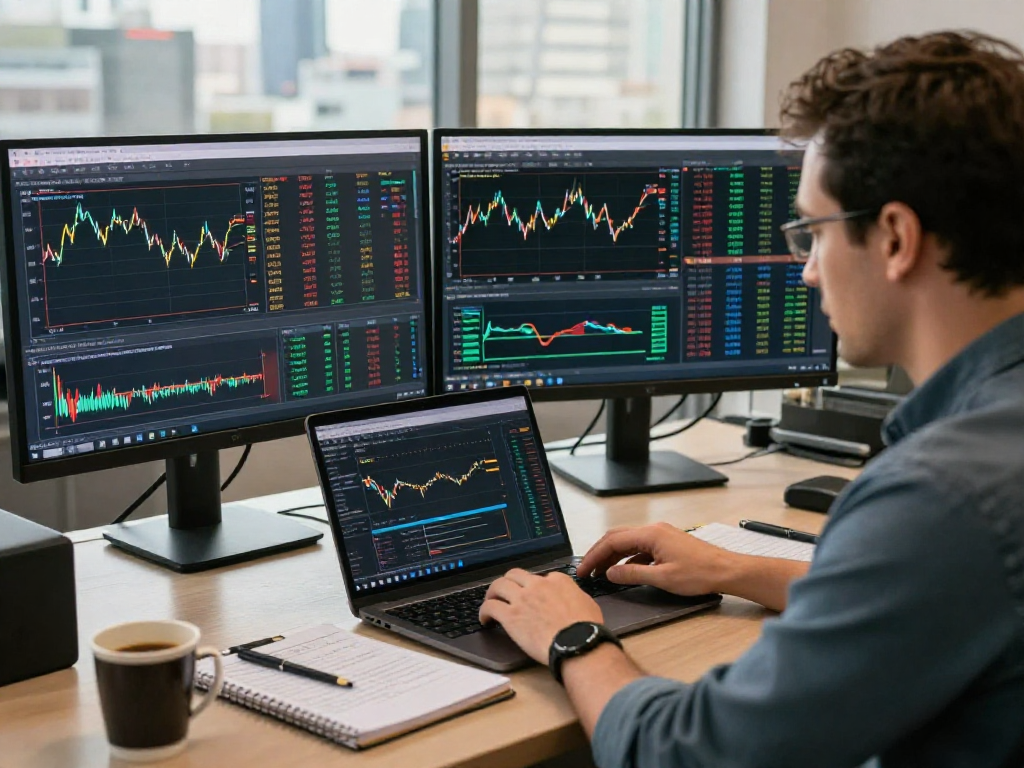
Understanding the Fundamentals of Stock Data Interfaces
As the world continues to embrace digital transformation, the significance of blockchain technology and its applications grows ever more profound. One such area where this innovation is making waves is in the financial sector, particularly through stock data interfaces. These interfaces serve as the bridge between raw financial data and the sophisticated applications developed to process, analyze, and act on that information. When exploring options, 股票数据接口 provides comprehensive insights into the evolving landscape of stock market data utilization.
What is a Stock Data Interface?
A stock data interface is a software framework that allows developers to access and retrieve stock market data from various sources in real time. These interfaces are essential for traders, investment platforms, and financial research organizations to harness data for decision-making, analyzing trends, and developing trading strategies.
Types of Stock Data Interfaces Available
There are primarily two types of stock data interfaces available to users:
- RESTful APIs: These interfaces allow users to make standardized HTTP requests to retrieve data in a structured format, such as JSON or XML. RESTful APIs are widely used due to their simplicity and ease of integration.
- WebSocket APIs: Unlike RESTful APIs, WebSocket APIs facilitate real-time data streaming. They maintain a persistent connection between the client and server, allowing for the immediate transmission of market updates, enhancing the trading experience.
Key Features of Effective APIs
To assess the effectiveness of a stock data interface, several features should be taken into account:
- Data Coverage: The breadth of stock market data provided, including global markets, exchanges, and asset classes.
- Real-time Updates: The ability to receive live data as it changes, ensuring traders can respond promptly to market fluctuations.
- Historical Data Access: Access to past data points allows for comprehensive analysis and backtesting of trading strategies.
- Robust Documentation: Clear, detailed documentation aids developers in implementing the API seamlessly.
- Scalability: APIs should support increased demand, enabling users to grow their applications without compromising performance.
Benefits of Using Stock Data Interfaces for Traders
Real-time Market Insights
One of the most significant advantages of leveraging stock data interfaces is obtaining real-time market insights. Traders rely on accurate, up-to-date information to make informed decisions. Real-time data reduces the lag between market movements and user actions, enabling traders to react swiftly, capitalizing on opportunities before they disappear.
Historical Data Analysis
In addition to real-time insights, stock data interfaces provide access to historical data that is invaluable for traders and analysts. By studying past market trends and price movements, users can identify patterns that may inform future trading strategies and investment decisions. Historical data can also be essential for backtesting trading algorithms, allowing developers to evaluate the effectiveness of their strategies before deployment.
Enhanced Trading Strategies
Stock data interfaces enrich traders’ capabilities by supporting various analytical tools and strategies. With access to comprehensive datasets, traders can employ technical analysis methods, execute algorithmic trading strategies, and develop risk management systems that enhance their trading effectiveness.
Comparing Stock Data Interfaces: iTick vs Competitors
Market Coverage and Data Depth
The choice of a stock data interface largely depends on its market coverage and data depth. iTick stands out by offering extensive coverage of over 50 global exchanges, including US stocks, Hong Kong shares, and A-shares. This comprehensive dataset gives users the advantage of having diversified data at their fingertips, unlike many competitors that may specialize in a limited market.
Performance and Latency
Latency is crucial in trading activities where timing can significantly impact profitability. iTick boasts a low-latency performance, ensuring that users receive rapid data updates, critical for high-frequency trading strategies. Comparatively, some competitors may experience delays that impact user experience and trading outcomes.
Pricing Models and Cost-Effectiveness
Pricing is often a determining factor in selecting a stock data interface. iTick offers competitive pricing models tailored to suit various user needs, from individual traders to institutional investors. The availability of a free API key for new users allows them to test the platform before committing financially, providing a cost-effective entry point into stock trading.
Security Considerations for Using Stock Data Interfaces
Protecting Your API Key
API keys are essential for accessing stock data interfaces, but they can also present security risks if not adequately protected. Ensure you never expose your API key in public repositories or client-side code. Instead, use server-side calls to safeguard your credentials.
Data Privacy and Compliance
As data privacy becomes increasingly important, users must ensure they comply with relevant data protection regulations when using stock data interfaces. Familiarizing yourself with laws such as GDPR or local AML/KYC requirements is crucial to maintaining compliance and protecting consumer data.
Common Security Threats to Avoid
When integrating stock data interfaces, users should be vigilant about common security threats. Phishing attacks, malware, and fake APIs can jeopardize both data integrity and user funds. Employ strategies such as two-factor authentication (2FA) and regular security audits to mitigate these risks.
Future Trends in Stock Data Interfaces and Their Impact
Integration with AI and Machine Learning
The future of stock data interfaces is likely to involve greater integration with artificial intelligence (AI) and machine learning algorithms. These technologies can enhance data analysis capabilities, helping traders uncover insights and develop predictive models based on large datasets.
Emerging Technologies in Data Processing
Advancements in data processing technologies will further revolutionize stock data interfaces. Techniques such as natural language processing (NLP) enable traders to analyze unstructured data from news articles and social media, offering additional market insights.
Regulatory Changes Expected in 2026
As the regulatory landscape evolves, stock data interfaces will need to adapt to new compliance requirements. Users should stay informed about changes in regulations like the SEC's potential reclassification of certain digital assets as securities, which could impact trading protocols and data access.
What is the best way to secure my stock data?
To secure your stock data, implement robust security measures such as strong authentication methods, regular audits of your data usage practices, and ensuring compliance with applicable regulations. In addition, employ encryption for sensitive data to enhance security further.
How do different stock data interfaces compare?
When comparing stock data interfaces, consider factors such as data coverage, latency, features, pricing, and the quality of support services offered. iTick tends to offer a rich selection of features and extensive market data compared to many alternatives.
What impacts the pricing of stock data APIs?
Pricing for stock data APIs can be influenced by factors such as the breadth of data offered, the frequency of updates, accompanying features like historical data access, and demand from users. As competition grows, price models are becoming more flexible and accommodating.
How can I safely use API keys and protect my data?
Safeguarding your API keys involves using environment variables for configuration, avoiding exposing them in client-side code, and employing server-side checks. By taking these precautions, you can help protect your data and maintain your trading integrity.
What are the emerging trends in stock market data?
Emerging trends in stock market data include real-time data feeds, integration with AI for predictive analytics, demand for greater data granularity, and a shift towards decentralized exchange platforms that enable greater transparency and reduced latency.