Understanding Ceiling Speakers and Their Benefits
Ceiling speakers are a popular choice for audiophiles and casual listeners alike, providing a discreet and aesthetically pleasing way to enhance audio experiences in homes. Unlike traditional floor or bookshelf speakers, ceiling speakers are engineered to blend seamlessly into the architecture of a room. These speakers are particularly advantageous for those who appreciate an uncluttered look while still desiring high-quality sound. When exploring options, خرید اسپیکر سقفی can provide comprehensive insights into the best choices available in the market today.
What Are Ceiling Speakers?
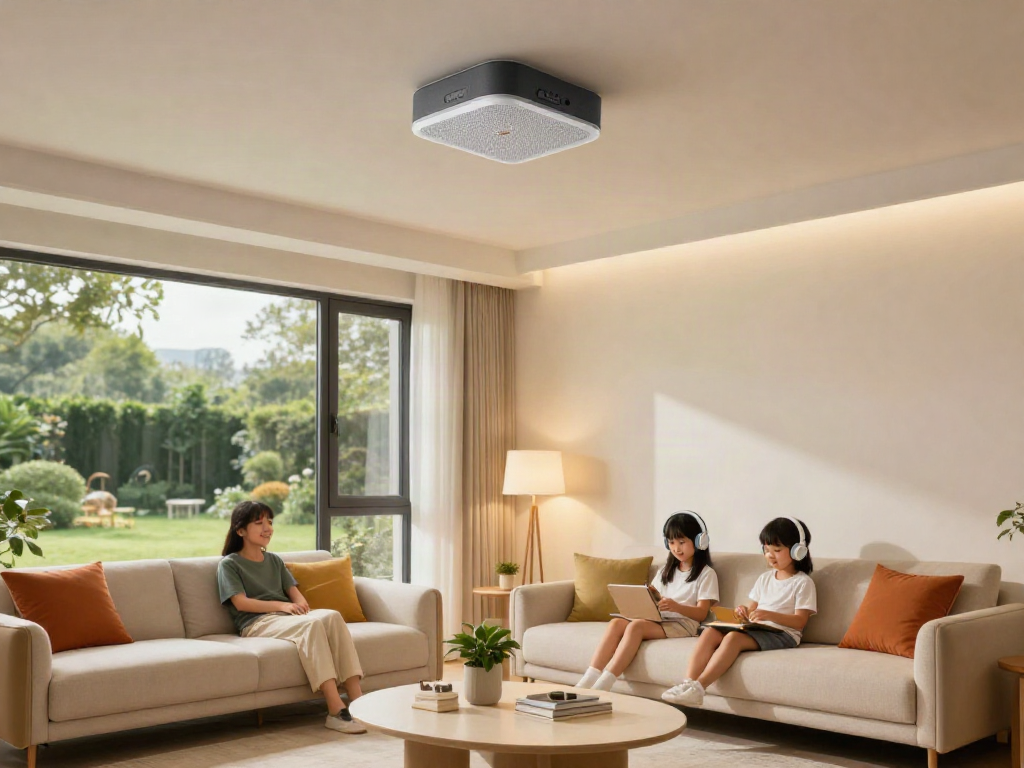
Ceiling speakers, as the name suggests, are mounted directly into the ceiling of a room, allowing sound to emanate from above rather than from traditional speaker arrangements. This type of speaker is typically installed flush with the ceiling, making them less obtrusive compared to conventional speakers. They are designed to deliver audio in a manner that disperses sound uniformly throughout the space, creating an immersive listening environment.
Advantages of Installing Ceiling Speakers
- Space-Saving: Ceiling speakers free up floor space, making them ideal for small rooms or areas where aesthetics are a priority.
- Enhanced Sound Distribution: Ceiling-mounted speakers provide even sound coverage, reducing dead spots and enhancing listening pleasure.
- Reduced Clutter: With no visible speaker systems, rooms can maintain a clean and contemporary look.
- Multi-Room Audio: They can be integrated into a whole-house audio system, allowing for music to be enjoyed in multiple rooms without the need for bulky equipment.
How Ceiling Speakers Enhance Home Audio Experience
Ceiling speakers enhance the home audio experience by providing a unique listening environment that traditional speakers cannot replicate. Their position allows for sound waves to blend harmoniously with the acoustics of the room. This results in clearer dialogue, immersive music, and an overall superior audio quality. Additionally, many modern ceiling speakers support advanced audio features, such as surround sound configurations and integration with smart home systems, ensuring that you receive a cutting-edge audio experience.
Choosing the Right Ceiling Speaker for Your Home
Key Features to Consider
When selecting ceiling speakers, several features should guide your decision to ensure the best match for your home audio needs. Consider speaker size, sensitivity ratings, power handling capabilities, and frequency response. Additionally, look for models that support modern audio formats and technologies, such as Dolby Atmos, which can significantly enhance the audio experience.
Understanding Different Types of Ceiling Speakers
Ceiling speakers generally fall into two categories: full-range and dedicated subwoofers. Full-range speakers are designed to cover a wide spectrum of frequencies, while subwoofers only handle low frequencies. Additionally, there are passive and active models. Passive speakers require an external amplifier, whereas active speakers have built-in amplification, making installation simpler.
How to Match Ceiling Speakers with Your Home Aesthetic
Blending ceiling speakers with your interior design is easier than one might think. Many models come with paintable grilles, allowing you to match them to your ceiling color. Additionally, consider the placement of the speakers. Ideally, they should be positioned to create an optimal listening experience while maintaining a visually appealing layout.
Installation Tips for Ceiling Speakers
DIY Installation vs. Professional Installation
Installing ceiling speakers can be a rewarding DIY project for those with some technical know-how. However, professional installation might be the better option for individuals unfamiliar with electrical work or home audio systems. Hiring a professional ensures optimal placement and connection, safeguarding your equipment's performance.
Essential Tools and Materials for Installation
For those who choose to install their ceiling speakers, having the right tools is crucial. Common tools needed include a stud finder, drill, wire strippers, and a level. Additionally, materials such as speaker wire, ceiling speaker brackets, and mounting templates are essential for a seamless installation.
Step-by-Step Guide to Installing Your Ceiling Speakers
- Choose the ideal locations for your speakers based on room acoustics and layout.
- Use a stud finder to locate joists and mark the spots where you will cut holes for the speakers.
- Cut the holes carefully using a drywall saw, following the manufacturer's guidelines.
- Run the speaker wire from your audio source to the speaker locations.
- Connect the speakers according to the instructions and secure them in place.
- Test the installation before closing up any walls or ceilings.
Maximizing the Performance of Your Ceiling Speakers
Optimal Placement for Best Sound Quality
Placement is critical for achieving optimal sound quality from your ceiling speakers. Aim to position them at least two feet away from any walls and spaced evenly throughout the room. Also, consider placing them in line with seating areas to ensure that sound is directed at listeners rather than at walls or furniture, which can distort audio.
Tuning and Calibration for Enhanced Audio Experience
Tuning and calibration can significantly improve the performance of your ceiling speakers. Many modern audio systems come with automatic calibration features that adjust settings based on the room's acoustics. However, manual tuning may yield even better results, allowing you to fine-tune the EQ settings, speaker distances, and levels to suit your preferences.
Common Issues and Troubleshooting Tips
If you encounter issues with your ceiling speakers, such as poor sound quality or connectivity problems, there are common troubleshooting steps to consider. Ensure that all connections are secure and that the speakers are correctly configured in your audio system. If sound is muffled or unclear, check for obstructions or re-evaluate the placement for better acoustics.
Future Trends in Ceiling Speaker Technology
Innovative Features to Look Forward to in 2026
The future of ceiling speaker technology is bright, with advancements promising to enhance audio quality and user experience. Expect innovations such as improved wireless connectivity that reduces latency, advanced acoustic modeling software for personalized acoustic tuning, and integration with augmented reality audio frameworks. These features are set to revolutionize the way we experience sound in our homes.
The Role of Smart Technology in Audio Systems
As smart home technology continues to evolve, ceiling speakers are also adapting. Integration with voice-activated systems like Google Assistant and Amazon Alexa makes controlling your home audio a seamless experience. Expect to see more speakers with built-in smart capabilities that allow for voice control, remote sound adjustments, and personalized audio playlists based on user preferences.
Predictions for the Evolution of Home Audio Solutions
In the coming years, home audio solutions will become even more integrated and user-friendly. We can anticipate a shift towards customizable sound profiles that adapt to individual listener preferences and environmental factors, creating a personalized audio experience. Additionally, the trend towards sustainability will likely influence product design, with manufacturers focusing on eco-friendly materials and energy-efficient technologies.
How do I choose the best ceiling speaker for my home?
When choosing the best ceiling speaker, consider room size, audio preferences, and compatibility with existing systems. Look for speakers with good sensitivity ratings and frequency response that matches your listening habits.
Can I install ceiling speakers myself?
Yes, with the right tools and knowledge, many homeowners can successfully install ceiling speakers themselves. However, if unsure, seeking professional help is advisable to ensure optimal installation.
What are the benefits of using ceiling speakers?
Ceiling speakers offer numerous benefits, including space-saving design, unobtrusive aesthetics, improved sound distribution, and compatibility with multi-room audio systems. They enhance the overall auditory experience without sacrificing visual appeal.
How does the placement affect ceiling speaker performance?
Speaker placement is critical for achieving the best sound quality. Proper positioning ensures optimal sound dispersion and clarity, while poor placement can lead to distortions and dead spots in audio coverage.
What future trends can we expect in ceiling speaker technology?
Future trends in ceiling speaker technology include smarter integration with home automation systems, innovative acoustic enhancements, and sustainable design practices that cater to eco-conscious consumers.