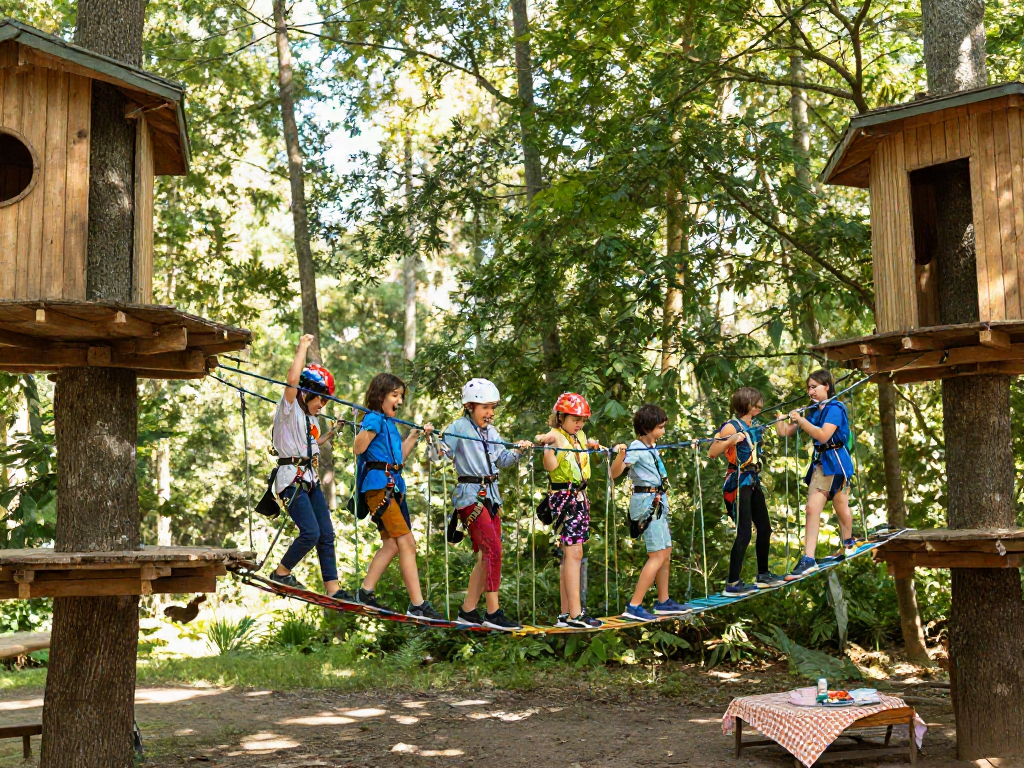
The Evolution of Rope Bridges in Outdoor Play
The concept of the rope bridge has traversed centuries, evolving from a necessity in ancient societies to a beloved feature in modern playgrounds and natural parks. Initially designed for practical purposes such as crossing rugged terrains or rivers, rope bridges have transformed into exhilarating attractions that promote physical activity and creativity among children. Today, the integration of safety innovations and contemporary design elements offers families and communities safe yet thrilling ways to connect with nature. When exploring options, Rope Bridge products can provide comprehensive insights into the variety available for outdoor play spaces.
Historical Significance of Rope Bridges
Rope bridges date back to various ancient cultures that utilised natural resources available in their environment. The earliest examples can be traced to the Incan Empire, where bridges were constructed using natural fibres and supported by a combination of plants and trees. These bridges served as vital connections across valleys and gorges, demonstrating human ingenuity and adaptability to challenging landscapes. The historical significance of these structures lies not just in their functionality but also in their role within communities, serving as symbols of connection and traversal.
Modern Innovations in Design and Safety
In recent years, the design of rope bridges has undergone significant advancements. The introduction of synthetic materials has improved durability and safety. Modern rope bridges often employ weather-resistant cables and ergonomic designs to enhance user experience while ensuring compliance with safety standards. Features such as non-slip surfaces, reinforced handrails, and shock-absorbing systems have been developed to accommodate the playful antics of children while mitigating risks. The focus on providing secure yet stimulating environments for play continues to shape the future of rope bridge design.
Comparative Analysis with Traditional Bridges
While traditional bridges often rely on substantial engineering techniques involving steel and concrete, rope bridges stand apart with their lightweight structure and flexibility. This comparison highlights the importance of purpose, as traditional bridges serve a broader range of vehicles and pedestrians, while rope bridges cater specifically to recreational use and outdoor fun. The aesthetic aspect of rope bridges also adds a unique charm to natural settings, blending harmoniously with the landscape and promoting eco-friendly engagement.
Building Your Own Rope Bridge: A Step-by-Step Guide
Constructing a rope bridge can be an engaging project for families looking to add an adventurous element to their outdoor space. Not only does it provide physical challenges, but it also encourages teamwork and problem-solving skills. Below is a structured guide to help you embark on this exciting construction journey.
Essential Materials and Tools Required
Before beginning your rope bridge project, gather the necessary materials and tools:
- High-quality, weather-resistant rope (such as polyester or nylon)
- Wooden planks or pallets for the bridge deck
- Strong support beams (treated wood or metal)
- Carabiners and pulleys for added security
- Tools: saw, drill, measuring tape, and safety gear
Safety Considerations and Best Practices
Safety should be your utmost priority when building a rope bridge. Ensure all materials are high quality and properly secured. It's essential to check that the bridge can support the weight of its users and adhere to local safety regulations. Consider adding soft landing zones, such as sand or mulch, beneath the bridge to cushion any falls.
Creative Designs for Different Landscapes
Your rope bridge can be tailored to suit various landscapes. For example, if spanning a small creek, consider a low-hanging design that allows for easy access. In contrast, a higher suspension bridge can offer a thrilling experience over a hill or valley. Engaging children in the design process can spark creativity and make them feel a sense of ownership over the project.
Benefits of Rope Bridges for Children’s Development
Integrating rope bridges into play environments offers numerous developmental benefits for children. These structures not only provide physical activity but also help in building crucial life skills.
Physical Fitness Through Outdoor Activities
Physical exertion is vital for children's health, and rope bridges encourage active play. Climbing, balancing, and traversing these structures promote cardiovascular health and muscular strength, supporting overall fitness while allowing children to develop agility and coordination.
Boosting Confidence and Social Skills
Rope bridges offer a unique social platform where children can engage in cooperative play. Navigating a bridge often requires teamwork and communication, fostering social skills and self-confidence. Successfully crossing a rope bridge can instill a sense of achievement, encouraging children to tackle new challenges in their lives.
Integrating Nature-Based Learning
Rope bridges can also serve as an educational tool. When placed in natural settings, they can teach children about the environment, biodiversity, and the importance of conserving nature. Creating hands-on learning experiences around these structures enhances children's connection to the outdoors.
Common Challenges in Rope Bridge Construction
While building a rope bridge can be rewarding, it also comes with challenges that require careful planning and consideration.
Weather and Environmental Impact Factors
Weather conditions can greatly affect the durability and safety of rope bridges. Regular maintenance is necessary to ensure materials are not degraded by rain, sun, or wind. Additionally, the environmental impact of construction should be evaluated to prevent harm to local ecosystems.
Addressing Safety Regulations and Compliance
Adhering to safety regulations is crucial for rope bridge construction, especially in public areas. Be sure to consult local regulations or engage with professionals to ensure compliance with standards, which can vary significantly depending on location.
Maintenance Tips to Ensure Longevity
To prolong the life of your rope bridge, implement routine inspections focusing on wear and tear. Regularly check all connections, ensure that ropes are securely fastened, and replace any frayed materials promptly. Additionally, cleaning the bridge to remove debris can significantly enhance safety and durability.
Future Trends: The Role of Rope Bridges in 2026
The future of rope bridges looks promising, with trends indicating an increased focus on sustainability and community involvement. As environmental awareness grows, designers are finding innovative ways to incorporate eco-friendly materials and practices into bridge construction.
Innovative Materials Enhancing Durability
The development of innovative materials such as recycled plastics and sustainable wood composites is transforming the construction of rope bridges. These materials not only enhance durability but also reduce the carbon footprint associated with traditional construction methods.
Rope Bridges in Urban and Recreational Developments
Rope bridges are increasingly being integrated into urban designs, serving dual purposes as aesthetic features and functional pathways. These structures can enhance public spaces, allowing for safe and engaging routes through parks and recreational areas.
Community Engagement and Eco-Tourism Potential
As communities look to promote eco-tourism, rope bridges offer a unique attraction that can draw visitors to natural parks and reserves. Engaging the local community in the design and construction process fosters a sense of pride and stewardship over shared spaces, enhancing the overall experience for visitors.
What is a rope bridge made of?
Typically, rope bridges are constructed using a combination of ropes, wooden or metal supports, and sometimes additional materials for the deck. The choice of materials often depends on the intended use, durability requirements, and aesthetic preferences.
How do you make a rope bridge safe?
To ensure safety, it's essential to use high-quality materials, secure all connections, and adhere to local safety regulations. Additionally, regular maintenance checks are crucial to identify any wear and tear that may compromise the bridge's safety.
What are the uses of rope bridges in playgrounds?
In playgrounds, rope bridges serve as exciting features that encourage children to engage in active play. They enhance physical fitness, promote social interactions among children, and foster a sense of adventure as kids traverse the structures.
Are there eco-friendly options for rope bridges?
Yes, many companies now offer eco-friendly options for rope bridges, utilising sustainable materials and environmentally conscious manufacturing processes. These options not only support environmental sustainability but also provide safe and durable play solutions.
What maintenance do rope bridges require?
Rope bridges require regular maintenance, including inspections for wear and tear, cleaning to remove debris, and timely replacements of any damaged materials. Consistent upkeep is essential to ensure safety and prolong the bridge's lifespan.