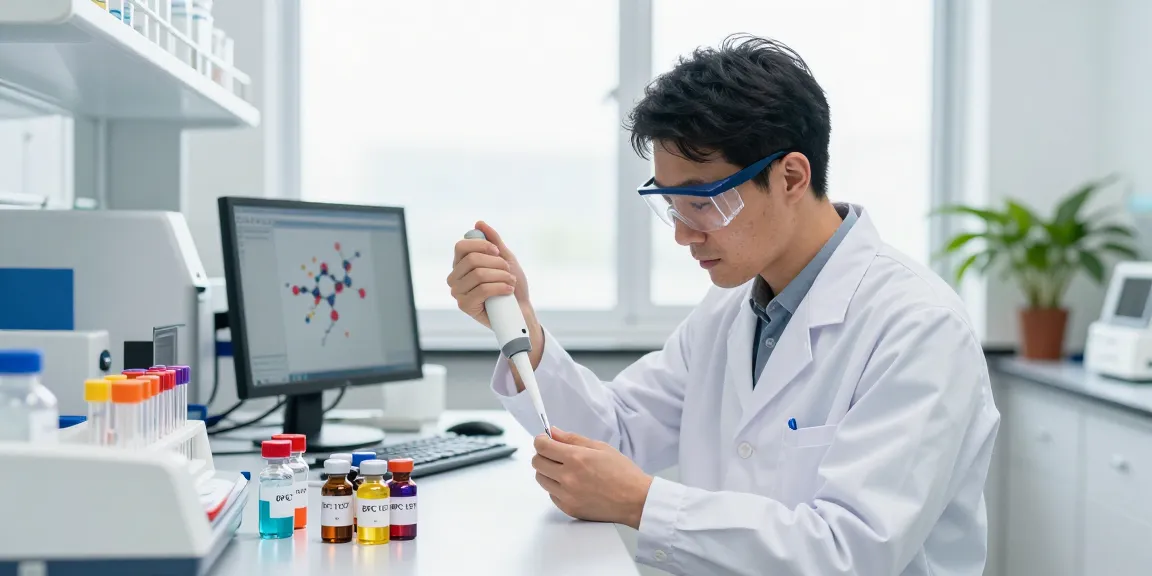
The Science Behind BPC 157
In the realm of modern therapeutics, BPC 157, a pentadecapeptide derived from a protein found in gastric juice, has emerged as a focal point for its potential health benefits and efficacy in various applications. Understanding the intricate science behind BPC 157 is essential for healthcare professionals and consumers alike, as it offers insights into its mechanisms of action, clinical relevance, and the multitude of ways it can be utilized for health improvement. As we delve deeper into its structure and function, we unveil the mechanisms that underscore its wide-reaching potential.
What is BPC 157?
BPC 157, or Body Protection Compound 157, consists of 15 amino acids and is best known for its regenerative properties. First identified in the 1990s, this peptide plays a critical role in healing and recovery processes within the body. Unlike other compounds, BPC 157 acts to enhance the healing of tissues, reduce inflammation, and promote recovery from injuries, making it a compound of high interest in both medical and athletic communities. Its unique composition allows BPC 157 to interact effectively with various biological pathways, promoting homeostasis and tissue repair.
How BPC 157 Works in the Body
The benefits of BPC 157 stem from its ability to interact positively with multiple physiological systems. It has been shown to promote angiogenesis, the formation of new blood vessels, which is crucial for tissue growth and healing. Additionally, BPC 157 enhances collagen synthesis, a vital component in wound healing and tissue regeneration. These actions are facilitated by a variety of receptors and enzymes within the body, which help to modulate inflammation and stimulate tissue repair processes.
When exploring options, BPC 157 Benefits are becoming increasingly recognized in the field of modern medicine, opening the door to various therapeutic applications.
Scientific Studies Supporting BPC 157
Numerous studies have been conducted to validate the efficacy of BPC 157. Research has demonstrated its effectiveness in improving recovery from muscle injuries, tendon ruptures, and even neurological damage. Animal studies have shown significant results in the acceleration of healing processes, leading to its growing acceptance among researchers and healthcare providers. The consistent outcomes across various studies support the idea that BPC 157 may serve as a cornerstone in peptide therapy, paving the way for more in-depth human clinical trials.
Health Benefits of BPC 157
The myriad health benefits associated with BPC 157 have garnered attention not only for their therapeutic potential but also for their implications in enhancing overall well-being. From athletic recovery to chronic illness management, the applications are as varied as they are promising.
Wound Healing and Recovery
BPC 157 stands out for its remarkable capacity to enhance wound healing. Through its effects on angiogenesis and collagen synthesis, it accelerates tissue repair, making it particularly beneficial for athletes recovering from injuries. Clinical applications may include post-surgical recovery, where its use could significantly reduce recovery time and improve outcomes.
Reducing Inflammation and Pain
Another notable benefit of BPC 157 is its anti-inflammatory properties. By modulating cytokine levels and reducing oxidative stress, it can alleviate pain and inflammation associated with various conditions, including arthritis and injury-related pain. This characteristic makes BPC 157 a potential option for individuals seeking non-invasive pain management solutions.
Supporting Gut Health and Digestion
BPC 157 has also shown promise in stabilizing gut integrity and promoting gastrointestinal health. Research indicates that it can help repair leaky gut syndrome, enhance digestion, and provide therapeutic benefits for inflammatory bowel diseases. This multifaceted role in gut health highlights its significance in holistic healthcare approaches.
Applications of BPC 157 in Modern Medicine
The applications of BPC 157 extend well into the domains of sports medicine, rehabilitation, and chronic illness management, illustrating its versatility as a therapeutic agent.
Usage in Sports and Rehabilitation
BPC 157 is rapidly gaining traction among athletes and fitness enthusiasts for its potential to expedite the recovery process from injuries. By enhancing repair mechanisms, it may allow athletes to return to their training regimens more quickly while reducing the risk of re-injury. Sports professionals are increasingly integrating BPC 157 into recovery protocols as they seek safer and more effective alternatives to conventional treatments.
Potential for Treating Chronic Conditions
Beyond acute injuries, BPC 157 shows potential in managing chronic conditions. Its ability to support wound healing and reduce inflammation may benefit patients with persistent pain conditions, such as fibromyalgia or chronic fatigue syndrome. By targeting the underlying mechanisms of these conditions, BPC 157 could offer new avenues for treatment where traditional therapies have fallen short.
New Research Directions in 2026
As we look towards 2026, further research is expected to unveil new applications and insights surrounding BPC 157. Ongoing studies are likely to explore its effects in various populations, including the elderly and those with metabolic disorders. The advancement of biotechnological innovations may also enable more effective delivery methods, increasing the accessibility of BPC 157 to a broader audience.
Understanding the Safety and Regulations
With the rise in popularity of BPC 157 comes the imperative to assess its safety and regulatory status thoroughly. Essential considerations include ensuring responsible usage and compliance with guidelines established by health authorities.
Is BPC 157 Safe to Use?
Current research indicates that BPC 157 may have a favorable safety profile, with minimal reported side effects. However, as with any peptide, individual responses can vary. Healthcare professionals recommend consulting with specialists before initiating supplementation or treatment.
Regulatory Status in Different Countries
The regulatory status of BPC 157 varies worldwide. In some regions, it is classified as a research chemical, while in others, it may not be approved for human use. Understanding local regulations is critical for both consumers and healthcare providers looking to incorporate BPC 157 into treatment protocols.
Best Practices for Supplementation
For those considering BPC 157 supplementation, following best practices is essential. This includes sourcing products from reputable suppliers, adhering to dosage recommendations based on individual needs, and monitoring for any adverse effects. Healthcare guidance is paramount to ensure safe integration into health and wellness routines.
Future Trends of BPC 157 in Health and Wellness
The trajectory of BPC 157 in health and wellness seems promising, with several emerging trends and the potential for advancing therapeutic applications in various fields.
Predictions for BPC 157 Applications in 2026
As research progresses, it is anticipated that BPC 157 will find broader applications beyond traditional uses, impacting fields such as regenerative medicine and geriatric care. Expect innovations that enhance its therapeutic efficacy and safety, driven by technological advancements in peptide synthesis and delivery.
Technological Advances in Compound Delivery
The future of BPC 157 may also intersect with advancements in drug delivery systems. Innovative methods such as nanotechnology and smart delivery systems could enhance the bioavailability and efficacy of BPC 157, making it more accessible and effective for users.
Consumer Awareness and Education
Increased consumer awareness and demand for transparency in health products will likely shape the landscape for BPC 157. Education about its benefits, risks, and ethical sourcing will be instrumental in fostering informed choices among consumers and healthcare providers.
What are the Side Effects of BPC 157?
While BPC 157 is generally well-tolerated, potential side effects can occur, including mild gastrointestinal discomfort or changes in mood. Monitoring for these effects is essential for ensuring safe use. Understanding the effects of BPC 157 will help mitigate risks and enhance the therapeutic experience.
Is BPC 157 Legal to Use?
The legality of BPC 157 varies by jurisdiction, and individuals are advised to familiarize themselves with local laws governing its use. Engaging in research or clinical trials may be subject to specific regulations, and navigating these legal frameworks is critical for compliance.
How to Incorporate BPC 157 into Your Routine?
Integrating BPC 157 into a health regimen requires thoughtful consideration. For more information, BPC 157 Benefits offers valuable insights. Consulting healthcare professionals, assessing personal health goals, and understanding potential interactions with other supplements or medications will contribute to successful incorporation. Tailoring the approach to individual needs can enhance the overall effectiveness of BPC 157.