The Fascination with Celebrity Look Alikes
The allure of finding a celebrity look alike has captivated the public's imagination for decades. People are naturally drawn to celebrities for their charisma, style, and presence, often wishing to see a reflection of themselves in the glamorous world of stardom. This intrigue not only serves as a form of entertainment but also opens the door to deeper questions about identity, society, and technology. As we delve into the phenomenon of celebrity doppelgangers, we explore the reasons behind this fascination and how it has evolved in contemporary culture.
Understanding the Concept of Celebrity Look Alike
A celebrity look alike refers to an individual who bears a striking physical resemblance to a famous person. The concept has a wide appeal, often leading to humorous and engaging moments in social contexts. In some cases, individuals discover their celebrity twin using facial recognition technology or dedicated apps. This quest for resemblance taps into our desire for connection and validation, providing a sense of belonging within the celebrity-fueled cultural landscape.
Why People Seek Celebrity Doppelgangers
There are several reasons why people actively seek out their celebrity look alikes. Firstly, the desire for affirmation is a strong motivator; seeing oneself compared to a known figure can enhance self-esteem and create a sense of identity. Additionally, it can generate social interaction, as sharing resemblance stories often leads to laughter and conversation at parties or online. For many, it conjures an escape from everyday life, allowing them to dream of being in the limelight, even if just for a moment.
Historical Context and Evolution of Look Alike Trends
The fascination with look alikes is not a new trend. Historical records show that doppelgangers have been a part of folklore in various cultures for centuries. In the 19th century, the emergence of photography allowed for more direct comparisons between individuals. Fast forward to the modern era, and technology has transformed how we engage with this concept, from early celebrity impersonators on stage to sophisticated AI applications that can analyze and provide matches based on facial features.
Technology Behind Celebrity Look Alike Identification
Today's technology has made it easier than ever to identify celebrity look alikes with impressive accuracy. Advanced algorithms and artificial intelligence power many of the applications available, enabling users to upload their photos and receive instant feedback on which celebrities they resemble. This has democratized the experience, bringing it to smartphone users around the globe.
How AI Transforms Facial Recognition
Artificial intelligence has advanced facial recognition technology significantly over recent years. Algorithms now analyze thousands of facial points, such as the distance between eyes and the shape of the jawline, to deliver highly accurate matches. These systems learn from extensive datasets that include various images of celebrities, enhancing their ability to detect nuances in facial similarities. The blistering speed of AI processing allows for real-time feedback, adding an element of excitement to the experience.
Celebrity Look Alike Apps: Features and Functionality
The rise of celebrity look alike apps has created a buzz in social media and entertainment. Most of these applications are user-friendly and offer features like photo upload, instant matching, and the ability to share results on social platforms. Popular apps like "Celebs Like Me" and "Star by Face" allow for easy exploration of celebrity matches, often featuring a vibrant community that engages users through feedback and discussion.
Comparative Analysis of Top Celebrity Look Alike Tools
When comparing celebrity look alike tools, several factors come into play, including user interface, accuracy, and additional features. The "Celebs Like Me" app, for example, uses a sophisticated neural network for face recognition, providing users with a list of their closest celebrity matches based on uploaded images. Meanwhile, "Overchat" simplifies the process into just three easy steps: upload, analyze, and receive matches. Users should consider what factors matter most to them—be it community interaction, sharing capabilities, or the technology behind the matches—when selecting an app.
Engaging Audiences with Celebrity Look Alike Content
To fully leverage the fascination with celebrity look alikes, content creators and marketers must engage audiences creatively. This involves crafting interactive experiences that bring people together and stimulate conversations around lookalikes.
Creating Interactive Experiences: Parties and Events
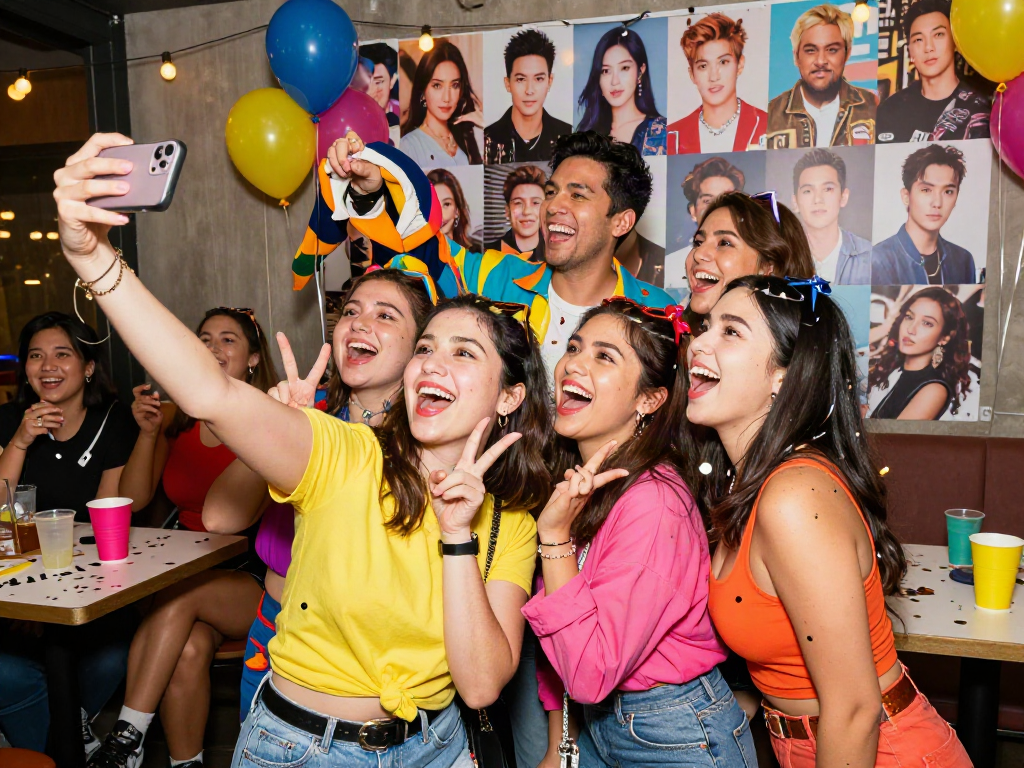
Hosting events centered around the concept of celebrity look alikes can be an entertaining and engaging way to captivate audiences. "Lookalike parties" can encourage guests to dress as their doppelgangers or utilize apps to find out who they resemble. These events can lead to laughter, storytelling, and a unique sense of community as participants share their imitation stories and their celebrity comparisons.
Utilizing Social Media for Look Alike Engagement
Social media platforms are pivotal for engagement in today's digital-first world. Brands can create engaging campaigns that encourage users to share their look alike results. By using hashtag challenges like #CelebrityTwin, companies can increase visibility and foster community among participants. Such initiatives not only boost brand recognition but also provide a shared experience that resonates with audiences.
Content Ideas to Capture Audience Attention
Marketers can craft a variety of content to keep audiences engaged with the celebrity look alike phenomenon. Blog posts featuring lists of famous look alike pairs, video compilations of users discovering their doppelgangers, or infographics comparing facial features can capture attention. Additionally, quizzes that help users find out which celebrity they resemble using a set of fun questions can enhance participation and sharing.
Challenges and Misconceptions in Finding Celebrity Look Alikes
While the concept of celebrity look alikes is entertaining, it comes with its challenges and misconceptions that need to be addressed to enhance understanding.
Common Myths About Celebrity Look Alikes
One common myth is that if someone closely resembles a celebrity, they automatically share similar traits, personality, or life experiences. In reality, facial resemblance does not equate to shared characteristics. Another misconception is the idea that technology can always deliver perfect matches; while algorithms have improved, they are not infallible and can produce varied results based on image quality and angles.
Addressing Ethical Considerations in Look Alike Comparisons
As with any technology, ethical considerations arise in the context of facial recognition and celebrity look alike identification. Privacy concerns loom large, as users may unknowingly share their images with applications that store and analyze data. It is crucial for app developers and marketers to prioritize user consent and transparency.
Overcoming Technology Limitations in Identification
Despite advancements, technology still has limitations. Factors such as lighting, facial expressions, and angle can affect recognition accuracy. Educating users on these limitations can help manage expectations and enhance their experience. Developers continually strive to improve algorithms, ensuring they can better interpret nuances in facial structure.
Future Trends in the Celebrity Look Alike Sphere
The world of celebrity look alikes is poised for exciting changes as technology evolves and cultural trends shift. Understanding these trends can help users, marketers, and developers alike to adapt and innovate.
Predictions for 2026: Evolving Aesthetics and Trends
By 2026, we can anticipate the continued growth of hyper-personalization in the realm of celebrity look alikes. With advancements in machine learning, apps will likely become more sophisticated in their matching capabilities, integrating broader cultural databases and styles to reflect the diversity of beauty standards. Furthermore, the focus may shift toward not just finding look alikes but exploring how individuals resonate with the characteristics and stories of their matched celebrities.
The Role of Social Media Influencers in Popularizing Look Alikes
Social media influencers will play a pivotal role in shaping trends around celebrity look alikes. Their ability to connect with audiences can help disseminate the excitement around finding a resemblance and can encourage more individuals to explore the phenomenon. Influencers may create challenges or competitions that not only engage their followers but also amplify the conversation around look alike culture.
Emerging Technologies and Their Impact on Celebrity Look Alikes
Emerging technologies such as augmented reality (AR) and virtual reality (VR) are set to redefine user interaction with celebrity look alike concepts. Imagine using AR to overlay celebrity features in real time when taking selfies or creating environments where users can interact with their look alikes in virtual spaces. These advancements will enhance user experiences and expand the horizons of how we perceive celebrity similarities.