Understanding the Need for Improved School Bus Safety
In Canada, school buses are an integral part of the daily routine for millions of children, providing safe transportation to and from educational institutions. Despite their widespread use, recent accidents and ongoing safety debates have generated significant concern among parents, educators, and community leaders. These discussions are vital as they prompt a re-evaluation of existing safety standards and protocols to ensure that young passengers are adequately protected. Notably, figures like Clinton Orr, who supports Manitoba bus driver Jodi Ruta’s advocacy for enhanced bus safety, are galvanizing efforts for change across Canada.
Current Safety Records and Statistics
School buses are commonly viewed as one of the safest modes of transportation for children. Statistics reveal that each day, over two million students rely on school buses for their daily commute. The incidence of fatalities involving school bus passengers remains remarkably low. However, safety advocates insist that low numbers do not equate to no risk, and highlight that each accident can carry severe consequences. For instance, historical data from Ontario shows over 1,000 bus crashes annually from 1990 to 1995, resulting in a notable number of student injuries, with some years exceeding 100 injuries. These figures underscore the potential hazards that can arise, despite the overall safety reputation of school buses.
The Impact of Recent Incidents on Public Perception
The narrative surrounding school bus safety significantly shifted in response to alarming incidents like the one involving Jodi Ruta. In 2023, Ruta found herself involved in a collision while transporting students, leading to several injuries. This incident not only impacted Ruta personally but also amplified community awareness regarding existing safety protocols. Such events have ignited discussions about the adequacy of current safety measures and the need for reforms that align with modern expectations and technological advancements.
Understanding the Role of Advocacy in Safety Improvements
Advocacy plays a critical role in driving the conversation surrounding school bus safety. Figures like Jodi Ruta are at the forefront, actively encouraging parents, educators, and policymakers to reevaluate safety practices. The function of advocacy extends beyond mere awareness; it seeks to forge collaborations and initiate dialogues that lead to actionable improvements. For example, Ruta’s campaign emphasizes the importance of mandatory seat belts, enhanced emergency preparedness, and bolstered driver training. Advocates believe that addressing these issues can significantly mitigate risks associated with school bus transportation.
The Vision of Jodi Ruta and Clinton Orr
Personal Experiences Shaping Advocacy Efforts
The tragic crash that Ruta experienced profoundly influenced her perspective on safety measures. It became a catalyst for launching her advocacy campaign, prompting her to question why certain established safety protocols are still in place, particularly given the evolving landscape of vehicle safety technology. Her husband, Clinton Orr, stands firmly behind her efforts, expressing that they seek to initiate conversations long overdue. Their shared experiences have galvanized their commitment to transforming school bus safety standards in Canada, demonstrating how personal narratives can nurture broader initiatives for change.
Key Goals of the Advocacy Campaign
Ruta’s advocacy campaign is centered around a multi-faceted approach to safety improvement. Among the primary goals are the implementation of mandatory seat belts for all passengers, heightened driver training that encompasses defensive driving techniques, and expanded emergency preparedness protocols. These goals reflect an understanding that while school buses are inherently safer than many alternatives, there is room for enhancements that could save lives and reduce injuries. They aim to educate families on safety measures and urge school boards to re-evaluate their policies in light of current safety data.
Community Engagement and Involvement Strategies
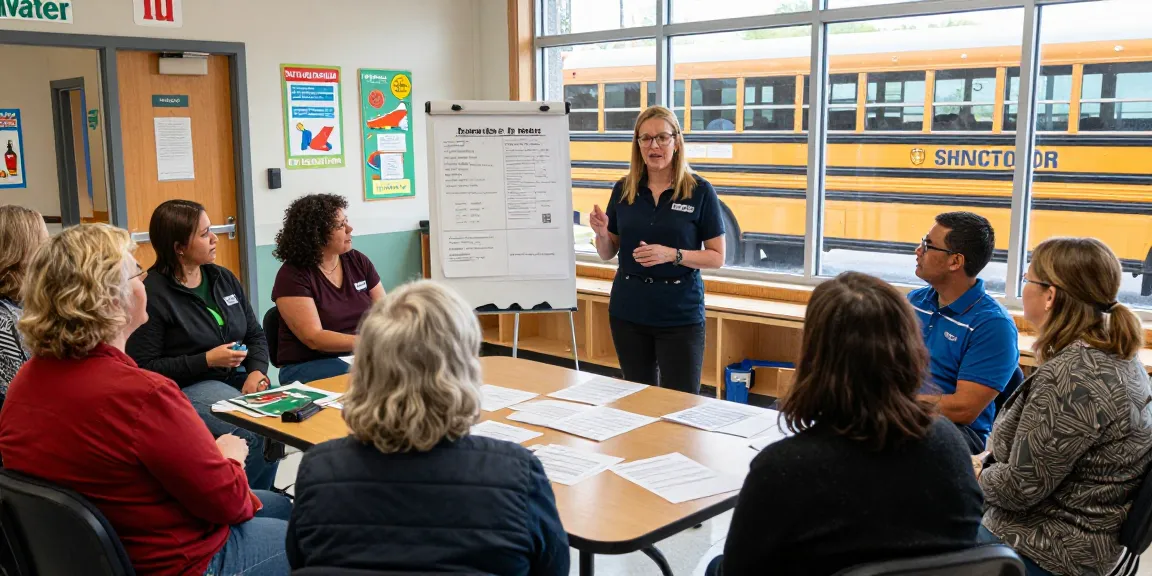
Engaging the community is pivotal to the success of Ruta’s campaign. Strategies include holding informational sessions at schools, distributing educational materials to parents, and creating forums for discussions between families and local leaders. By fostering an environment where community members can voice their concerns and questions, Ruta and Orr aim to create a collective push for improved safety standards. This grassroots approach not only raises awareness but also instills a sense of shared responsibility among stakeholders regarding the safety of children.
Key Safety Measures Advocated for by Ruta and Orr
The Debate Over Mandatory Seat Belts on School Buses
The discussion surrounding the introduction of mandatory seat belts on school buses is a contentious one. Proponents, including Ruta, argue that three-point seat belts could enhance passenger safety, particularly in the event of high-impact collisions or rollovers. By providing added restraint, seat belts could mitigate the risk of debilitating injuries, a concern highlighted in accident reports. On the other hand, Transport Canada expresses skepticism regarding the overall safety benefits, citing limited evidence of dramatic improvements and raising questions about the practicalities of implementation during emergencies.
Driver Awareness and Training Enhancements
Another critical area of advocacy is the enhancement of driver training and awareness. School bus drivers are primarily responsible for the safety of their passengers, making comprehensive training essential. This includes not only traditional driving skills but also education on child psychology, emergency response protocols, and the dynamics of managing on-board behavior. By equipping drivers with a deeper understanding of their responsibilities, advocates believe that the potential for mishaps can be significantly reduced.
Emergency Preparedness and Responsibilities
Emerging from recent incidents is the need for improved emergency preparedness procedures within school bus operations. These measures should encompass a clear set of protocols for both drivers and passengers so that in the event of an accident, everyone understands the necessary actions to take. This includes regular drills and training for both students and drivers on evacuation procedures, which can save lives should a critical situation arise. Preparedness not only helps mitigate potential injuries but also instills confidence among parents regarding their children’s safety.
Challenges and Misconceptions Facing School Bus Safety Campaigns
Counterarguments Against Structural Changes
Not everyone agrees on the need for sweeping changes to school bus safety. Critics often cite the historical safety performance data of school buses as evidence against the need for additional measures. Since the risks are statistically low, some argue that changing existing structures may be unnecessary and could lead to increased operational costs. This argument serves to halt dialogues surrounding potential safety improvements, as the focus shifts to maintaining the status quo rather than exploring advancements.
Addressing Public Concerns and Misunderstandings
Public misconceptions about school bus safety can further complicate advocacy efforts. For instance, many parents believe that simply having their children buckle up will eliminate all risks. However, enhanced safety involves a multifaceted approach that combines structural measures with education and awareness. Advocacy campaigns must address these misunderstandings to ensure that parents become informed advocates for their children’s safety, recognizing the diverse factors at play.
Balancing Safety with Trust in Current Systems
One of the most significant challenges advocates face is balancing the push for improved safety with the public’s trust in current systems. Many parents and community members are reluctant to embrace change, believing that existing protocols are sufficient. However, advocates argue that trust must be based on continual improvement and safety reassessments, particularly as technology and research evolve. Striking this balance is essential to foster a community environment where safety is prioritized, and necessary advancements are welcomed.
Future Trends in School Bus Safety Regulations
Technological Innovations in Bus Design
The future of school bus safety is likely to be heavily influenced by technology. Innovations such as collision detection systems, automated braking, and advanced routing algorithms can play a role in minimizing accidents before they occur. Additionally, the integration of real-time monitoring systems for both vehicle conditions and driver behavior could enhance safety protocols and foster accountability. As technology advances, the potential for safer buses grows, suggesting a transformative shift in how we approach school transportation.
Predictions for Policy Changes in 2026
Looking ahead to 2026, it is anticipated that we will see significant policy changes aimed at bolstering school bus safety. As communities advocate for better standards, there will likely be legislative movements towards mandating certain safety features, including seat belts and enhanced training for drivers. The ongoing dialogue initiated by advocates like Ruta and Orr is expected to lay the groundwork for these transformative changes, with an aim to elevate the safety expectations across Canada.
How Community Advocacy Will Shape Future Regulations
Community advocacy is poised to play an essential role in shaping future regulations surrounding school bus safety. As public awareness grows and families become more engaged, policymakers will be pressured to take action in response to the demands for improved standards. Grassroots movements can lead to substantial changes by fostering collaboration among stakeholders, ensuring that school safety measures evolve in response to both technological advancements and community expectations.
What steps can communities take to participate in safety discussions?
To effectively participate in discussions surrounding school bus safety, communities can organize forums for parents, educators, and school boards to share insights and concerns. Establishing communication channels where parents can voice their questions can also facilitate a more collaborative approach to safety advocacy. Additionally, local organizations can lead public awareness campaigns to educate residents on safety measures and the importance of ongoing improvements.
Why are seat belts debated for school buses?
The debate over the implementation of seat belts on school buses hinges on their perceived safety benefits versus practical considerations. While many advocacy groups highlight potential life-saving advantages, others remain skeptical about their effectiveness in bus safety, citing instances where evacuations or proper usage may be jeopardized. This complex discussion reflects broader concerns about how best to protect children while using the existing frameworks effectively.
How can parents engage with safety campaigns?
Parents are encouraged to actively participate in safety campaigns by becoming informed advocates for their children’s well-being. This can be done by attending community meetings, signing petitions in support of safety measures, and collaborating with local school boards on policy discussions. By fostering communication channels with school administration, parents can ensure their voices are heard in safety dialogues and push for necessary changes based on factual information.
What role do drivers play in enhancing bus safety?
Drivers are instrumental in enhancing school bus safety. Their training, awareness, and preparedness directly affect how children are transported to and from school. By undergoing continual education and participating in safety drills, drivers can cultivate an environment where safety is paramount. Additionally, maintaining open lines of communication with parents and school boards about safety protocols can further strengthen the overall approach to child safety on school buses.
What are the common misconceptions about school bus safety?
Common misconceptions surrounding school bus safety often include the belief that school buses are immune to accidents and that seat belts are the only necessary safety feature. Many individuals fail to recognize the importance of comprehensive training for drivers and the need for emergency preparedness measures. Addressing these misconceptions through education and advocacy is crucial for fostering an informed community that prioritizes true safety.
How can technology improve school bus safety measures?
Technology offers numerous avenues for enhancing school bus safety. From advanced driver assistance systems to GPS tracking and monitoring, the integration of modern technology can significantly reduce risks and improve response times in emergencies. Future designs may also incorporate features that enhance visibility, collision avoidance, and passenger safety, leading to an overall safer experience for children commuting on school buses.