Understanding Plumbing Emergencies
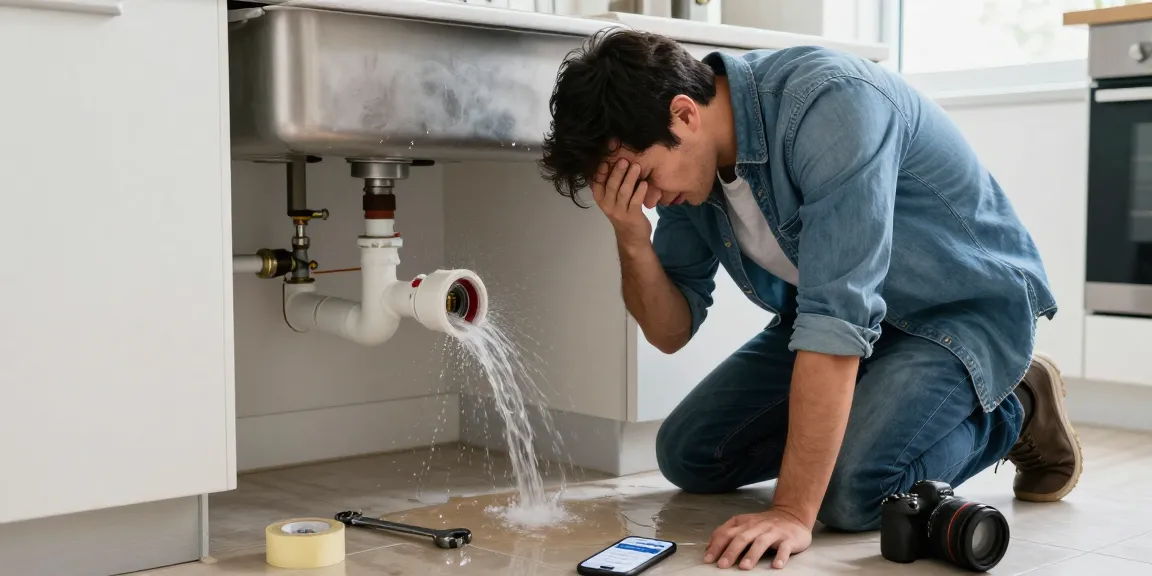
Plumbing emergencies can happen at any time, often leaving homeowners feeling overwhelmed and unsure of how to respond. These situations can lead to significant damage if not handled promptly and correctly. Understanding what qualifies as a plumbing emergency is crucial for homeowners and landlords alike. When urgent plumbing needs arise, knowing whom to call can make all the difference, and that’s where an emergency plumber in Northampton can provide immediate assistance.
What qualifies as a plumbing emergency?
A plumbing emergency is any situation that poses a threat to the safety of your home or your family. Typically, it includes severe leaks, the inability to use essential plumbing fixtures, or any condition that could cause severe property damage if not addressed quickly. Examples include:
- Complete loss of water supply
- Severe leaks that cause flooding
- Overflowing toilets
- Gas leaks from gas lines
- Drains or toilets that are clogged and causing backups
Common types of plumbing failures
Several issues can lead to plumbing failures, particularly in older homes. Common problems include:
- Broken pipes due to freezing
- Clogged drains that cause water backups
- Faulty water heaters
- Leaking faucets or fixtures
- Malfunctioning sump pumps
How to assess the severity of your plumbing issue
Not every plumbing issue requires immediate professional help, but being able to assess the severity of the situation is key. Consider the following steps:
- Determine the source of the problem. Is it a leak, blockage, or complete failure?
- Evaluate the extent of the issue. Is water flooding your home, or is it a minor leak?
- Check for potential hazards. Does the problem involve sewage or gas?
Immediate Actions to Take
In plumbing emergencies, immediate action can prevent further damage and expensive repairs. Knowing what steps to take can help you manage the situation until professional help arrives.
Steps to stop further water damage
When faced with a plumbing emergency, you should act quickly to mitigate damage:
- Shut off the main water supply to your home to prevent flooding.
- If necessary, turn off the electricity in affected areas to avoid electrical hazards.
- Clear the area of furniture and valuables to prevent water damage.
- Use towels or buckets to catch dripping water.
How to safely use basic plumbing tools
Familiarity with basic plumbing tools can aid in assessing a situation more effectively. Some basic tools include:
- A plumber’s wrench for tightening and loosening pipes.
- Plumbing snake for clearing minor clogs.
- Pipe sealant or tape to fix minor leaks.
Be sure to use these tools safely to avoid injuries or further damage to your plumbing system.
When to call a professional emergency plumber in Northampton
If you’ve taken the initial steps but find the issue persists or worsens, it’s time to call an emergency plumber. Look for signs that include:
- Persistent water leaks
- Major pipe bursts
- Backed-up sewage or toilet issues
- Strange odors linked to plumbing problems
Cost Considerations and Budgeting
Understanding the financial aspects of emergency plumbing is essential for efficient management of unforeseen issues. Costs can vary widely depending on the problem’s complexity and urgency.
Understanding emergency plumbing service costs
The cost of hiring an emergency plumber can depend on several factors, including:
- The time of day or night the service is required (after-hours services can increase rates).
- The severity of the plumbing issue.
- The travel distance for the plumber to reach your location.
How to budget for unexpected plumbing issues
Having a financial plan for unforeseen plumbing issues can alleviate stress. Consider setting aside an emergency fund specifically for unexpected home repairs. A good rule of thumb is to save 1% of your home’s value annually for maintenance and unexpected repairs.
Insurance and plumbing emergencies: What you need to know
Homeowners’ insurance may cover some plumbing emergencies, but it’s essential to know the specifics of your policy. Check what types of plumbing issues are covered, and ensure that your insurance policy includes protection against water damage caused by plumbing failures.
Choosing the Right Emergency Plumber
When a plumbing emergency strikes, selecting the right professional can significantly impact the outcome. Here are tips for making the best choice.
Key qualifications to look for in a plumber
Ensure that any plumber you consider has the following qualifications:
- A valid license and insurance covering potential liabilities.
- Positive customer reviews and testimonials that speak to their expertise.
- Experience with issues similar to yours.
Questions to ask before hiring
Before finalizing your choice of an emergency plumber, ask them several important questions:
- What are your rates, and how do you charge (flat rate or hourly)?
- Do you provide a written estimate before starting any work?
- What is your response time for emergency calls?
Red flags indicating you should reconsider your choice
Be cautious of any red flags that may indicate a less-than-reputable plumber:
- Refusal to provide a written estimate or quote.
- Lack of proper licensing or insurance.
- Consistently negative reviews or complaints.
Preventive Measures for the Future
Investing time and resources into preventive maintenance can help you avoid costly plumbing emergencies down the line.
Regular maintenance tips to avoid emergencies
Implementing a regular maintenance schedule can save you time and money:
- Schedule routine inspections of your plumbing system.
- Clean drains and gutters regularly to prevent clogs.
- Inspect for leaks and wear in pipes periodically.
How to identify early signs of plumbing issues
Being proactive about identifying early warning signs can help prevent future disasters. Look out for:
- Unusual noises from pipes (e.g., banging or gurgling).
- Puddles of water forming in your home.
- Discolored water from taps or fixtures.
Investing in plumbing infrastructure upgrades
Sometimes the best way to prevent emergencies is by investing in plumbing upgrades. Consider:
- Replacing old, corroded pipes with modern materials.
- Installing water-efficient fixtures to reduce strain on plumbing systems.
- Upgrading to a smart home plumbing system that monitors leaks and water usage.
What should you do during a plumbing crisis?
In a plumbing crisis, remain calm and focus on taking immediate actions as discussed. Document the situation, including taking photos of damages, as this can assist when working with insurance or repair professionals.
How can you prevent plumbing issues in your home?
Regular upkeep and being vigilant can significantly reduce the chances of plumbing emergencies. Be proactive about maintenance, regularly inspect your plumbing systems, and encourage everyone in your household to be mindful of what they flush or pour down drains.
What are the signs that you need an emergency plumber?
Be alert to signs that indicate an immediate need for a professional plumber, including:
- Persistently clogged drains that do not resolve with home remedies.
- Visible leaks that worsen over time.
- Water stains on walls or ceilings indicating hidden leaks.
How to choose between DIY and calling a professional?
Consider your skills and the complexity of the issue. For minor leaks or clogs, DIY solutions may suffice. However, for significant issues, it is advisable to consult with a qualified emergency plumber to avoid exacerbating the problem.
What are the most common plumbing myths?
Avoiding common misconceptions can help you manage your plumbing effectively. Some myths include:
- “All clogs can be fixed with chemical drain cleaners.”
- “Flushing anything other than toilet paper is acceptable.”
- “A dripping faucet isn’t a major issue.”
Understanding the truth behind these myths is vital for proper plumbing care.