
Understanding Gunshot Wounds: The Critical Impact
Gunshot wounds represent one of the most severe forms of trauma encountered in both civilian and military settings. Their complexity arises not only from the mechanics of injury but also from the diverse range of complications that can ensue. The immediate impact of a gunshot wound can lead to life-threatening conditions, making it imperative for anyone who frequents high-risk environments to possess a robust medical response kit. When exploring options, Gunshot Wound Kit provides comprehensive insights into the essential supplies needed for effective intervention.
The Mechanism of Injury and Immediate Responses
Gunshot injuries can occur through various mechanisms, primarily depending on the caliber of the bullet, the range from which it is fired, and the anatomical location of the injury. When a bullet penetrates the body, it can cause direct tissue damage, secondary injuries from cavitation, and subsequent hemorrhaging. Understanding these mechanisms is crucial for immediate response, as timing is vital in administering life-saving measures.
Types of Gunshot Wounds and Their Implications
Gunshot wounds are classified into several categories: penetrating, perforating, and blunt trauma from gunfire. Each type possesses unique characteristics and implications for treatment. A penetrating wound, for instance, affects only the entry point, while a perforating wound involves both entry and exit points, often resulting in more significant tissue damage and bleeding. Recognizing the type of wound can guide responders in prioritizing treatment and employing the right supplies from their medical kits.
Importance of Prompt Intervention for Survival
The adage “seconds save lives” rings particularly true in the context of gunshot wounds. Data indicates that prompt intervention can significantly improve survival rates and reduce the risk of long-term complications. Emergency responders and bystanders equipped with a comprehensive gunshot wound kit can provide immediate care, including hemorrhage control, airway management, and stabilization, which are essential before professional medical help arrives.
The Definitive Gunshot Wound Kit: What’s Inside?
A high-quality gunshot wound kit is a critical component for anyone wanting to be prepared for emergencies. A well-equipped kit not only contains essential supplies but is also designed for quick access and efficient use. The FlareSyn™ SE Tactical IFAK Kit is an exemplary model, featuring pre-filled components tailored to address severe trauma effectively.
Core Components of a Comprehensive Kit
- Tourniquet: A reliable tourniquet is essential for controlling life-threatening hemorrhage. The FlareSyn™ Metal Windlass Tourniquet, designed for one-handed occlusion, stands out for its reliability.
- Compression Bandages: Trauma compression bandages, such as the FlareSyn™ Emergency Trauma Compression Bandage, are crucial for applying pressure to severe wounds.
- Wound Closure Devices: Products like the FlareSyn™ Advanced Emergency Wound Closure Kit ensure effective closure of deep lacerations without sutures.
- Splint Kits: The inclusion of splints in the FlareSyn™ Emergency Rolled Splint Kit provides the necessary support for fractures or dislocations.
Importance of Quality and Reliability in Kit Design
The effectiveness of a gunshot wound kit hinges on its quality and reliability. Kits designed with military-grade materials, such as the FlareSyn™ SE Tactical IFAK, offer durability and resistance to environmental stressors. For instance, water-resistant Cordura fabrics and heavy-duty zippers ensure that the contents remain intact and usable under extreme conditions, which is essential in high-stakes situations.
Comparison of Standard vs. Advanced Kits
When investing in a gunshot wound kit, potential users must consider their specific needs. Standard kits typically contain basic supplies sufficient for minor injuries. In contrast, advanced kits, like the FlareSyn™ SE Tactical IFAK in its Pro edition, include additional high-quality components designed for severe, life-threatening injuries. Evaluating the intended use—whether for civilian preparedness or tactical operations—can guide individuals in selecting the most appropriate kit configuration.
Effective Use of the Gunshot Wound Kit: Techniques and Strategies
Having a well-equipped gunshot wound kit is merely the first step; knowing how to utilize its contents effectively can mean the difference between life and death. Understanding the proper techniques for administering care is essential for maximizing the kit’s potential.
Step-by-Step Guide to Applying the Kit
- Assess the scene: Ensure safety for both the responder and the victim.
- Control bleeding: Utilize the tourniquet immediately above the wound if the bleeding is life-threatening.
- Apply compression: Use the trauma bandage to apply direct pressure to the wound.
- Stabilize the patient: Use splints for any suspected fractures to prevent further injury.
- Call for emergency help: Ensure that professional medical assistance is on the way.
Common Mistakes to Avoid During Application
In high-pressure situations, it is easy to make errors. Common mistakes include failing to secure the tourniquet properly, applying excessive pressure that can further damage tissue, or overlooking the need for rapid evacuation to medical facilities. Training regularly in the use of these kits can significantly reduce the likelihood of such mistakes.
Real-Life Scenarios: Case Studies in Action
Numerous real-life scenarios highlight the critical importance of having and effectively using a gunshot wound kit. For instance, a recent case involved a law enforcement officer who was able to stabilize a critically injured individual following a shooting incident. Utilizing the FlareSyn™ kit, the officer quickly applied a tourniquet and a compression bandage, which ultimately saved the individual’s life before they reached the hospital. These scenarios stress the necessity of preparedness and training.
Training for Tactical Preparedness: Best Practices
To maximize the effectiveness of a gunshot wound kit, proper training is indispensable. Tactical preparedness involves not just the knowledge of equipment but also the practical skills required to respond effectively to emergencies.
Essential Skills for Using a Gunshot Wound Kit
Key skills include bleeding control techniques, airway management, and the ability to assess and prioritize injuries in a crisis. Training programs should incorporate these elements to ensure comprehensive skill development among users.
Training Exercises for Law Enforcement and Military Personnel
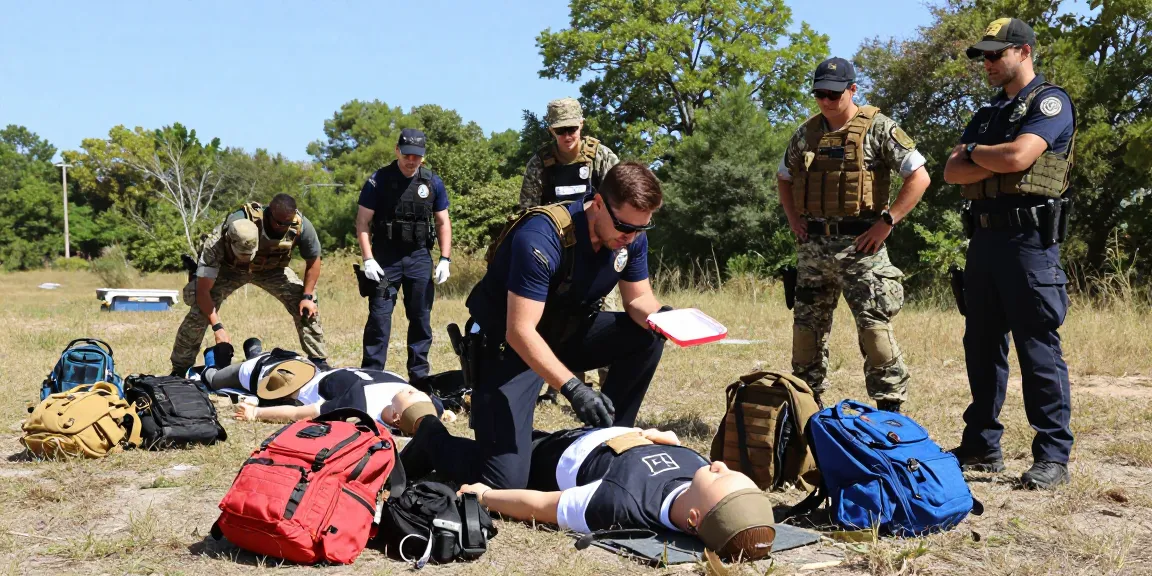
Regular drills and scenario-based training sessions are vital for building proficiency. These exercises should simulate high-stress environments where responders must act quickly and effectively, allowing them to practice using the gunshot wound kit and developing their muscle memory for real incidents.
How to Conduct Drills and Simulations Effectively
Conducting effective drills involves creating realistic scenarios that challenge participants’ knowledge and skills. Incorporate feedback sessions to discuss what went well and areas for improvement, fostering a learning environment that emphasizes continuous development. Utilizing props and simulated injuries can also enhance the training experience.
Future Trends in Tactical Medical Kits: What to Expect in 2026
The future of tactical medical kits is poised to change significantly by 2026, driven by advancements in technology and evolving medical standards. Here are some key trends to watch for.
Incorporating Technology into Tactical Medicine
The integration of technology into medical kits will revolutionize how responders manage injuries. This includes smart bandages that can monitor vital signs and automated systems that guide users through the treatment process. Innovations like these aim to enhance the effectiveness and efficiency of first aid in critical situations.
Predictive Analytics for Emergency Situations
Leveraging data analytics may provide responders with critical information about the potential trajectory of injuries based on past incidents. Predictive modeling can help responders anticipate complications and act preemptively, improving patient outcomes significantly.
Emerging Standards and Protocols in Tactical First Aid
As the medical field evolves, new standards and protocols will emerge, influencing the design and content of gunshot wound kits. Continuous feedback from field experience will shape these standards, ensuring they address the most pressing needs of users, particularly those in high-risk occupations.
What are the key components of a Gunshot Wound Kit?
Essential components typically include a tourniquet, compression bandages, wound closure supplies, and splints, all tailored for effective management of severe injuries.
How can I effectively train to use a Gunshot Wound Kit?
Engage in regular training sessions that incorporate scenario-based exercises to develop practical skills and confidence in using the kit effectively.
What are the common misconceptions about Gunshot Wound Kits?
A prevalent misconception is that these kits are only necessary for combat situations; in reality, they are essential for anyone at risk of injury in various environments.
How do I assess the quality of a Gunshot Wound Kit?
Evaluate the materials used in the kit, the comprehensiveness of its supplies, and whether it meets established medical standards.
What future developments should I be aware of in tactical medicine?
Stay informed about technological advancements and emerging protocols that shape the landscape of tactical first aid, optimizing the readiness of responders.


